Home / Resources / Vibratory Roller Types and Selection Guide
Vibratory roller equipment guide
Make the equipment decision from project evidence.
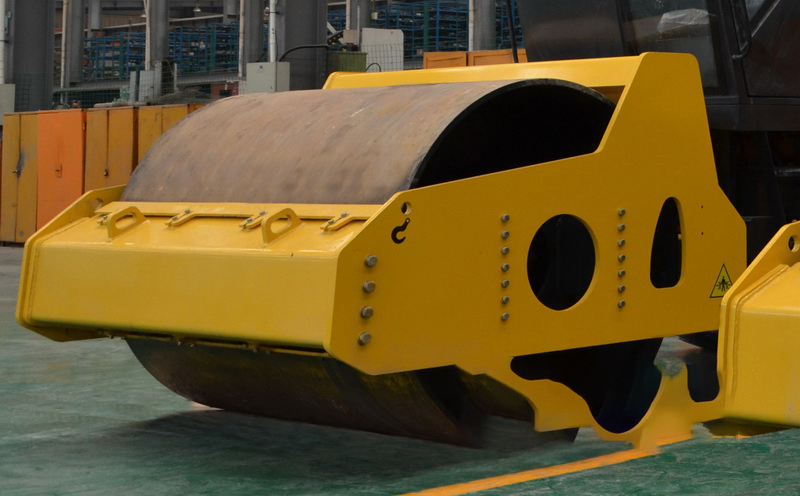
“Vibratory roller” covers several machine arrangements and should not be treated as one interchangeable product category. Single-drum, double-drum, towed and sheep-foot configurations differ in contact, movement, access, controls and support requirements. A buyer needs the work layer and site constraints before asking for a model or price.
This guide translates the broad search term into a reviewable equipment brief. It deliberately avoids universal compaction claims and routes the final choice to model-specific documentation and the project verification process.
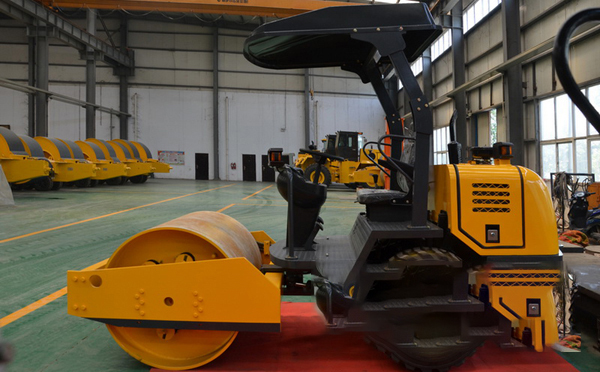
Review drum working face, traction, rear chassis, dimensions, vibration controls and turning space. Confirm the actual model information and whether the proposed work involves subgrade, fill, base or another specified layer.
02
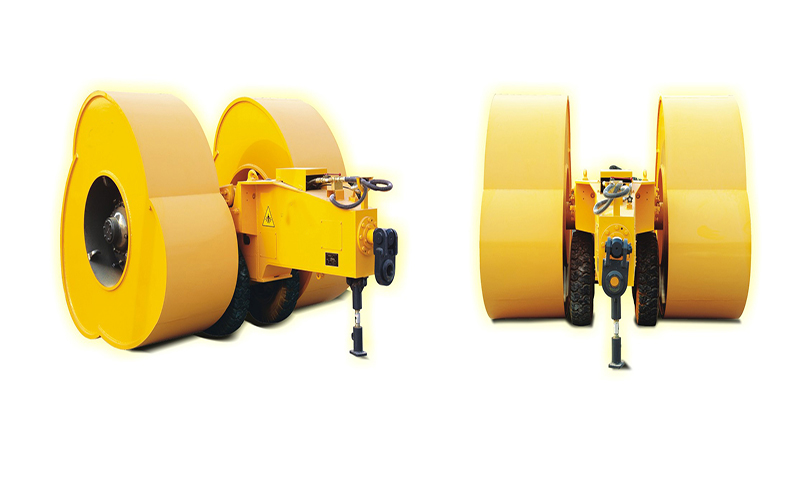
Double-drum vibratory rollers
Consider contact at both ends, edge work, turning, traffic management and the sequence of adjacent passes. Drum arrangement does not replace material, moisture, lift and acceptance information.
03
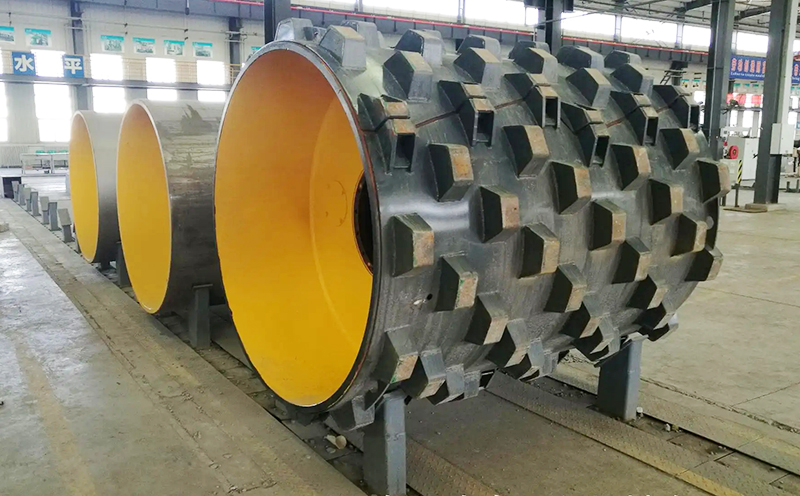
Towed and sheep-foot arrangements
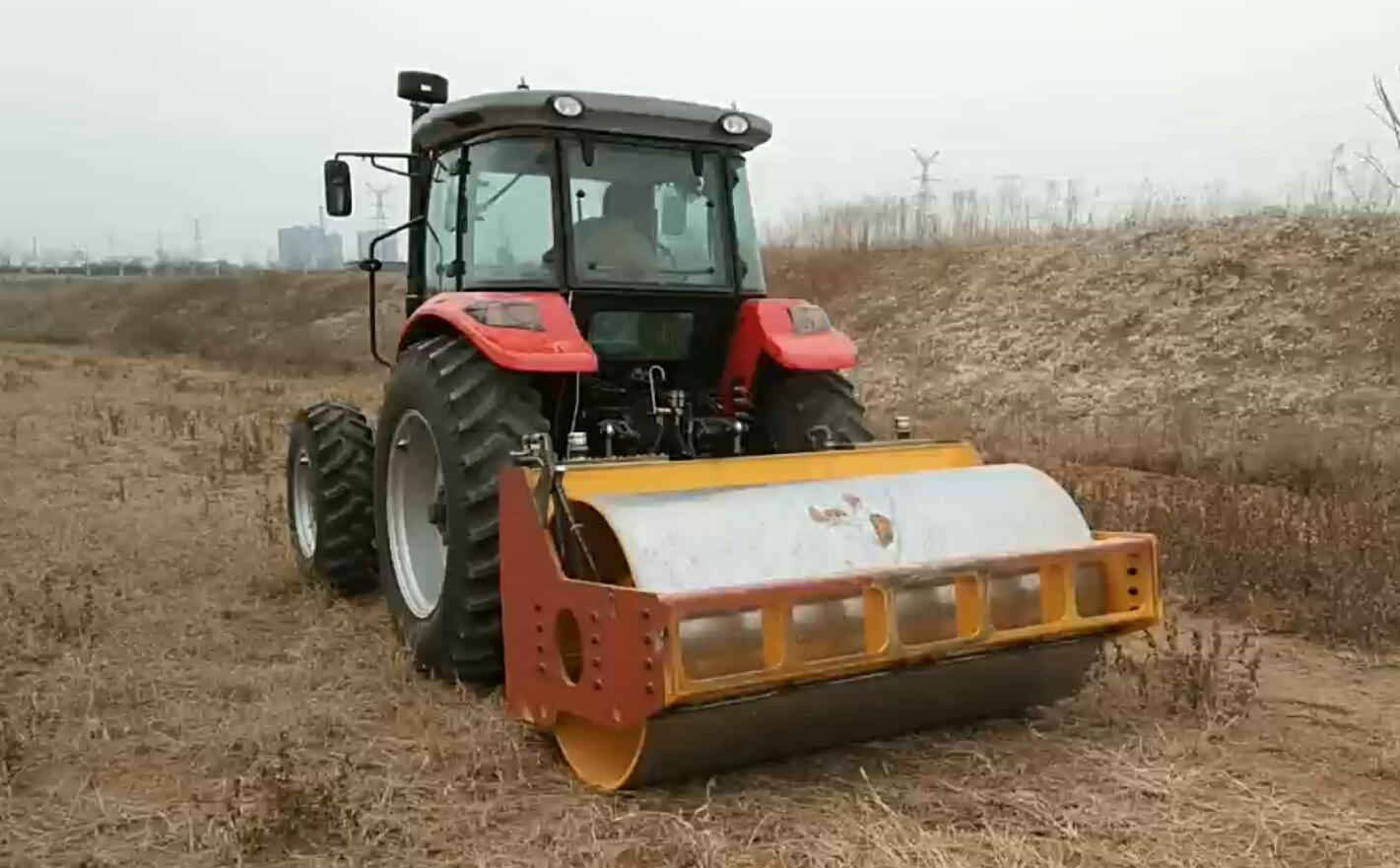
Towed machines add a separate power-unit and hitch discussion. Sheep-foot or padfoot profiles alter contact points and are often considered in earthwork contexts. Confirm the exact configuration rather than grouping every towed or padfoot machine under one rule.
04
Material, access and operating controls
Record moisture, grading information where available, work width, route, gradient, turning areas and nearby activities. Define vibration or operating controls from the supplied manual and project method statement, not from a generic category description.
05
Quotation and verification
Request model-specific specification, dimensions, operating and maintenance guidance, parts information, delivery scope and exclusions. Keep machine records distinct from the project acceptance evidence defined by the responsible party.
Decision record
Document the reasoning before equipment approval.
A review of vibratory roller types and selection should identify the source of each project input, the party responsible for confirming it and the point in the programme when it becomes fixed. Material descriptions, equipment interfaces, access assumptions and requested documents should not be silently converted into supplier guarantees. Record open items so procurement can distinguish a preliminary discussion from an approved configuration.
Use the checklist on this page as a handover between the site, engineering, logistics and purchasing teams. When an input changes, return the change to the relevant decision owner and assess its effect on configuration, operating controls, delivery scope and verification. This creates a traceable route from the original search question to a quotation that can be compared and reviewed.
Before order placement, reconcile the proposed equipment, accessories, exclusions, documents and delivery responsibilities in one schedule. After delivery, use the approved supplied documents for inspection and operation. The website supports selection and communication, but it does not replace the contract, operating manual, site method statement or project acceptance specification for Vibratory Roller Types and Selection Guide.
Engineering boundaries
Clear limits protect the project decision.
Roller type alone does not determine suitability.
Do not infer vibration settings or output from category labels.
Do not compare different arrangements without equal scope.
Use project specifications and approved manuals for operation.
Buyer checklist
Prepare these inputs for a precise RFQ.
Layer, material and moisture condition
Single-drum, double-drum, towed or padfoot preference
Work area, route, turning and traffic constraints
Operating controls and available power unit
Requested technical and maintenance documents
Verification, delivery and support requirements
Related equipment
Move from the guide to a documented equipment review.