
Equipment scope
Clarify whether the RFQ covers roller only, a matched tow tractor, support arrangement, monitoring and spare-parts planning.
Impact roller buyer guide
An impact roller purchase should be evaluated as a system procurement decision. The roller, tow tractor, damping arrangement, operating space, support needs, documentation and delivery programme are interdependent.
This guide helps a procurement team request the right information from the beginning while avoiding unsupported machine-performance assumptions.
Ask about this topic
Guide contents
Clarify whether the RFQ covers roller only, a matched tow tractor, support arrangement, monitoring and spare-parts planning.
Ask for source-matched model data. Current CMG published evidence supports the 32 kJ and 35 kJ pages; other model pages remain selection-led until matched data is approved.
Review work area, turning space, access, gradient, material and available towing equipment.
Align configuration review, documentation, delivery target and project contact route before a quotation is finalised.
Evidence boundary
CMG uses this resource to organise a project conversation. It does not replace site investigation, geotechnical design, equipment documentation or the project acceptance specification.
Buyer checklist
Decision record
Use the following record as a handover between procurement, site engineering and the equipment supplier. Empty fields are signals to investigate, not assumptions to fill with a generic machine claim.
Related equipment
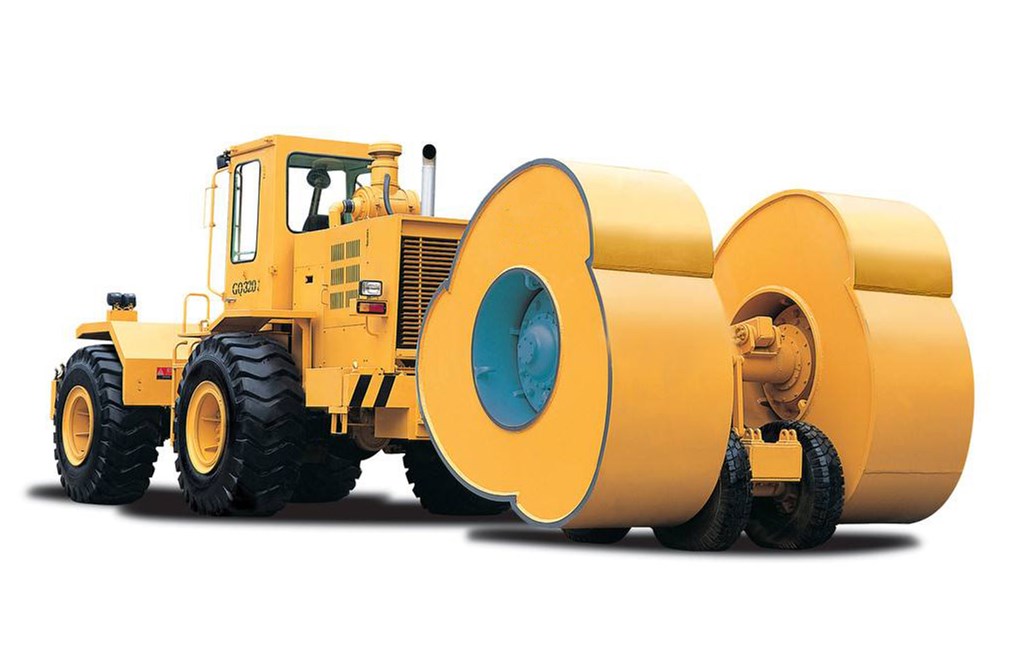
High-energy polygonal roller for demanding subgrade and ground improvement projects.
Explore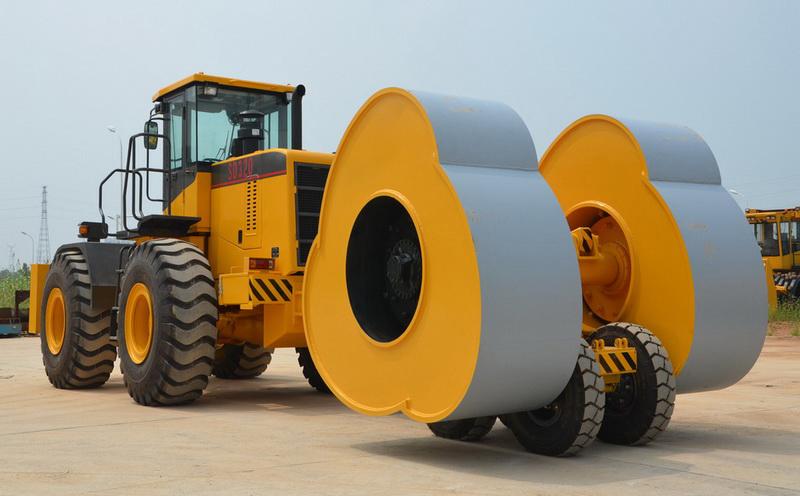
A high-energy impact roller for embankment, subgrade and foundation treatment.
Explore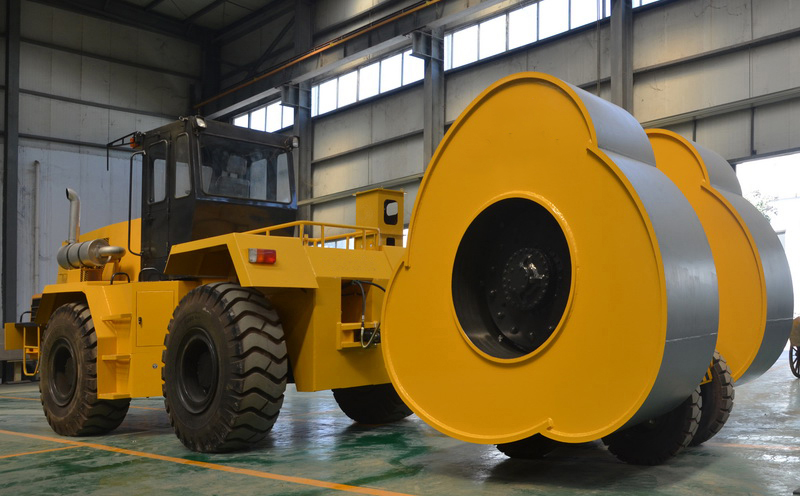
Balanced high-energy compaction for road base, fill and infrastructure construction.
Explore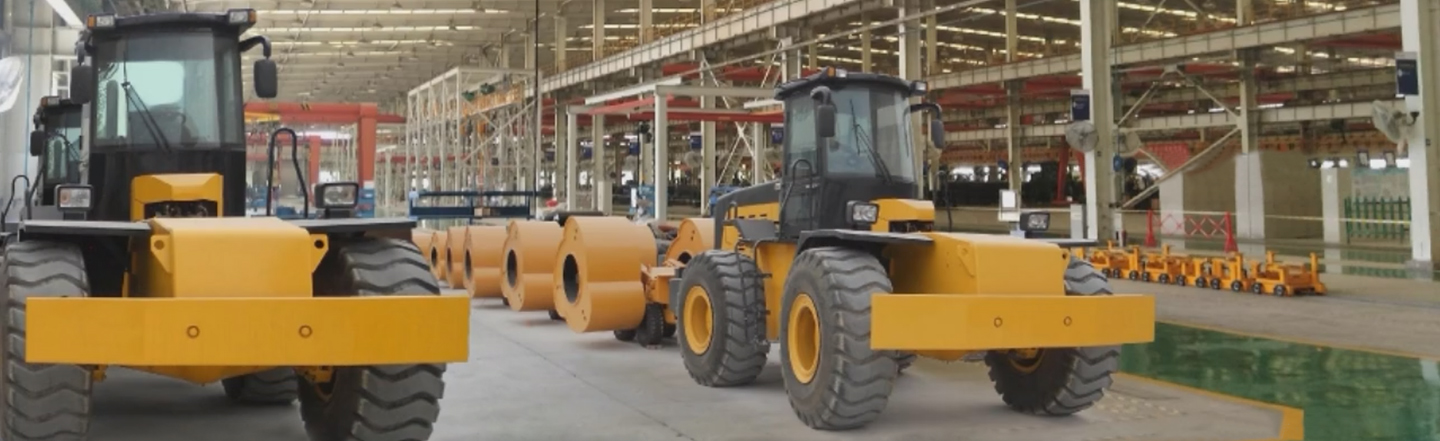
Video centre
Review available CMG equipment footage, then bring your project inputs to the technical discussion.
Visit the CMG video centreResource FAQ
Yes. The working system should be reviewed together, including damping, access and operating requirements.
The 32 kJ and 35 kJ CMG impact roller pages contain source-matched published data.
They should show relevant work area, access, turning space, interfaces and any available ground or programme information.
CMG uses the RFQ inputs to discuss equipment family, configuration, documentation and delivery requirements.