Engineering solutions

High Energy Impact Compaction

HEIC engineering solution

High Energy Impact Compaction as a planned system

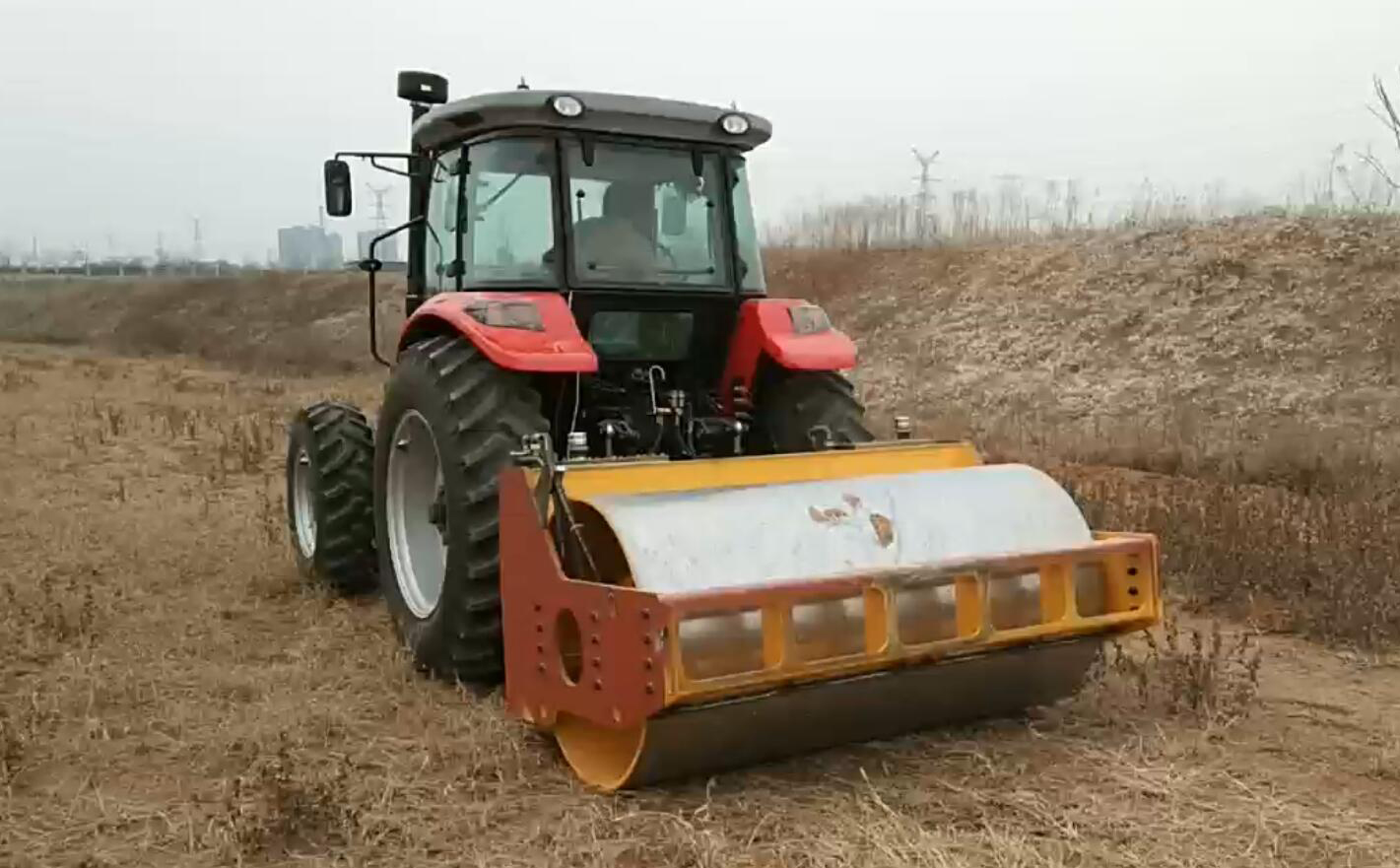
High Energy Impact Compaction (HEIC) uses a towed polygonal roller to apply repeated dynamic loading as it travels across a planned work area. It is a ground-treatment method to be considered alongside material condition, layer arrangement, access and verification requirements, rather than a universal replacement for every compaction method.

For an engineering procurement discussion, the useful starting point is not a promised treatment result. It is a defined site brief: the material and moisture condition, required working area, treatment objective, available towing equipment, turn space, working gradient and acceptance route.

Discuss your HEIC project
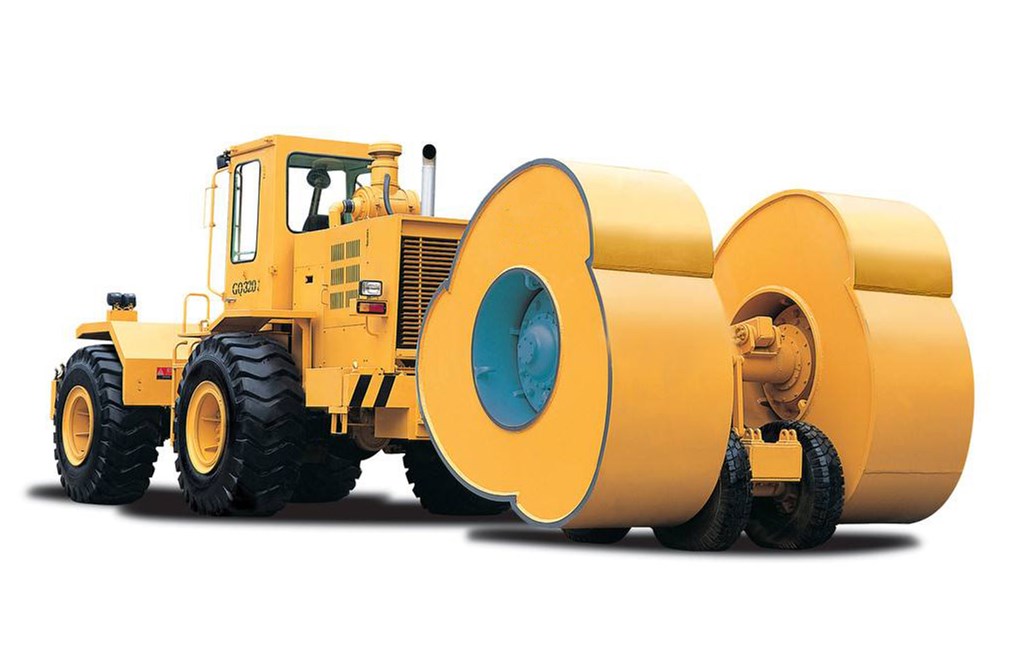
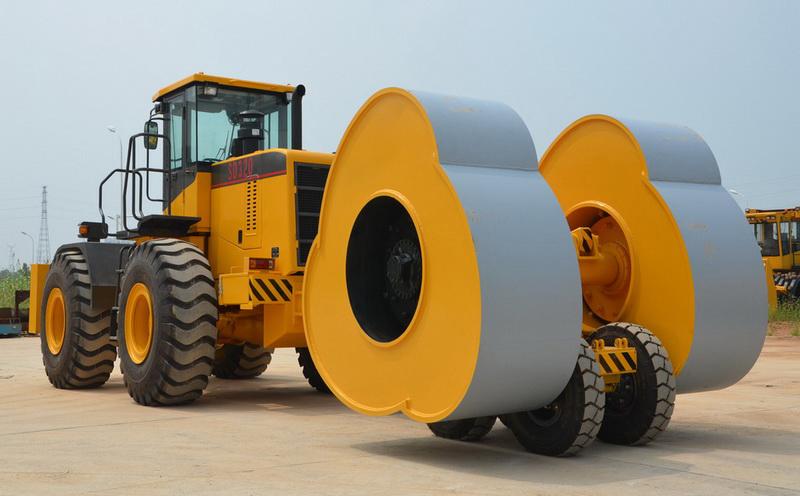
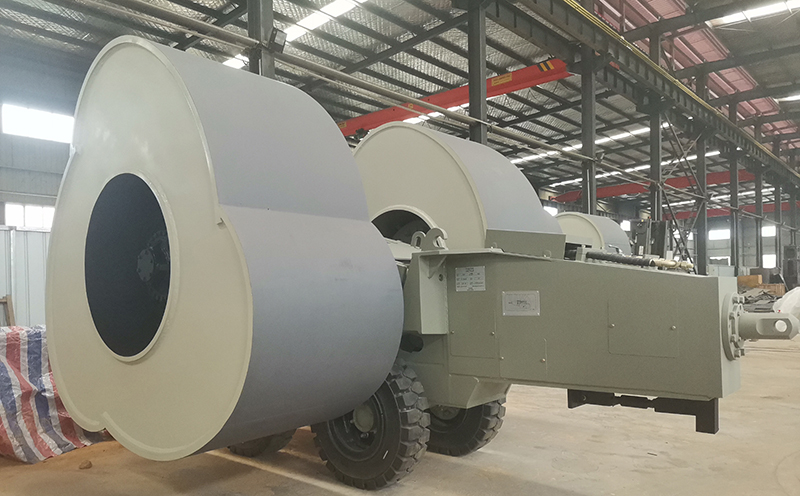
CMG high energy impact roller at an engineering site
CMG impact roller equipment is selected as part of a complete working system.

Method fit

Use HEIC where the work system and ground conditions can be planned.

Suitability is an engineering decision. The lists below help frame the first project discussion; they do not replace site investigation or acceptance criteria.

Typical discussion contexts

  • Large-area subgrade, engineered fill and earthwork programmes where a towable working system can be planned.
  • Infrastructure contexts such as roads, railways, airports, industrial pads and dam-related earthworks, subject to project engineering review.
  • Projects that can define a pass plan, safe turning area, tow tractor arrangement and verification process before mobilisation.
Conditions requiring review

  • Variable, saturated, unstable or muddy ground requires a specific site assessment before operation.
  • Slopes, pits, restricted work zones and proximity constraints must be assessed by the project team.
  • Final treatment method, work sequence and acceptance testing remain the responsibility of the project engineering process.

Complete working system

Choose the roller, power unit and working controls together.

01

Impact roller

A polygonal roller assembly selected by the required energy class, working geometry and project configuration.

02

Tow tractor

A dedicated or expressly specified tow tractor selected with the roller, not as an afterthought.

03

Damping arrangement

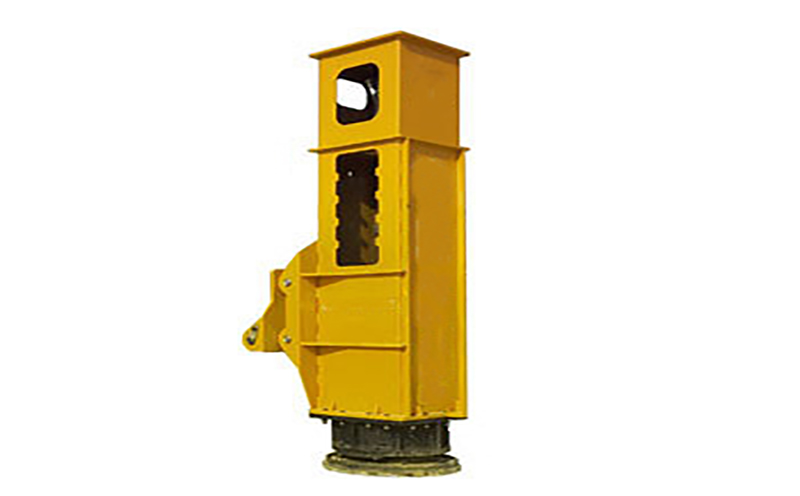
Hydraulic, nitrogen, spring and rubber damping elements manage the working connection and operating loads.

04

Monitoring route

Where required, monitoring can support documented passes and project verification planning.

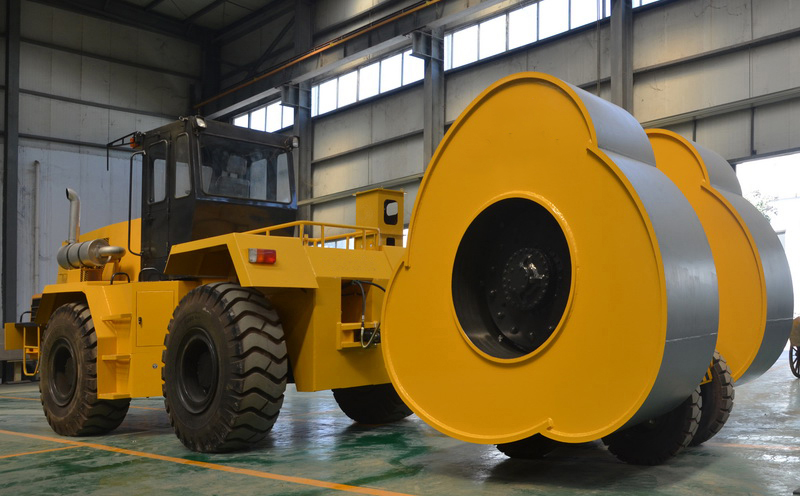
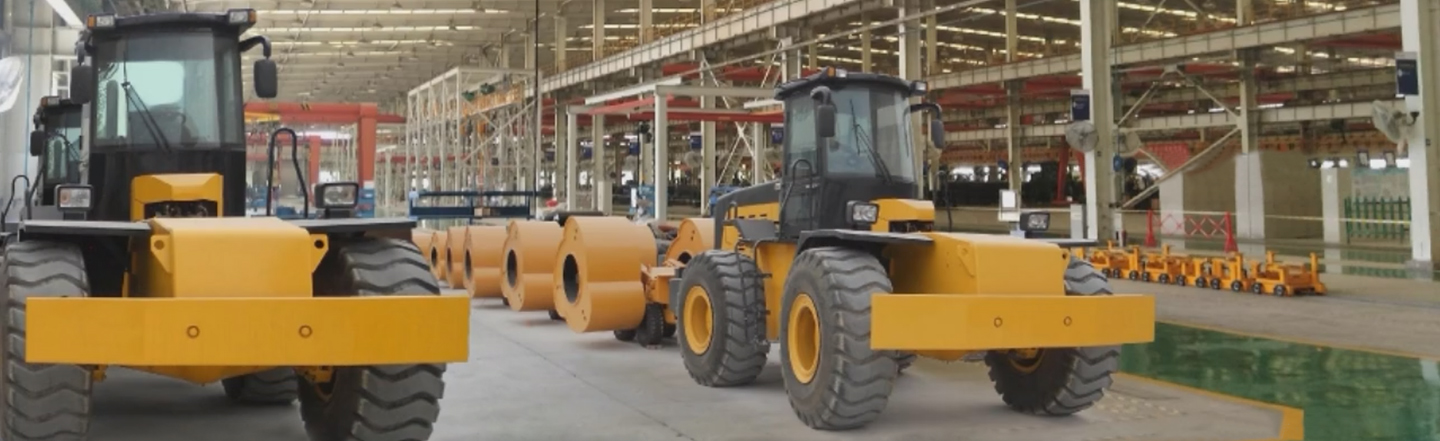
CMG tow tractor for an impact roller system

System configuration

A roller is not specified in isolation.

The application, energy class, tow tractor, damping arrangement and working route must be checked together. A project RFQ should therefore include the work area, material, access and equipment already available on site.

Explore impact roller systems

Project workflow

Turn a site brief into a controlled working plan.

  1. 1. Define the ground brief

    Record material, moisture condition, area, target outcome, access, turning space and delivery programme.

  2. 2. Select the complete set

    Review roller energy class, tow tractor, damping arrangement, support equipment and monitoring needs together.

  3. 3. Plan the working area

    Set out passes, turning routes, exclusion zones and inspection points with the project team before operation.

  4. 4. Operate to the work controls

    Follow the planned speed, turning and ground-condition limits; stop and review when conditions change.

  5. 5. Verify and document

    Use the project acceptance method and recorded work information to support the next construction decision.

Work controls

Operate within known limits and stop when site conditions change.

CMG manual guidance is used here to support safe planning. It does not remove the need for project-specific risk controls, competent supervision or local regulatory requirements.

  • Recommended operating speed: 10-15 km/h.
  • Avoid sharp or high-speed turns.
  • Do not operate on slopes above 30 degrees, muddy surfaces, unstable ground or pits.
  • Inspect the equipment before each shift and at the scheduled 5 h, 30 h, 60 h and 150 h service intervals.
CMG impact roller monitoring equipment

Verification and monitoring

Document the work, then apply the project's acceptance route.

Define the project acceptance method before mobilisation; this may include inspection, field testing, survey, monitoring records or another project-specified route.

Equipment monitoring and project acceptance testing serve different purposes. Monitoring can document working passes; acceptance remains determined by the project specification and responsible engineering team.

Use any change in ground condition, equipment behaviour or work access as a trigger to review the work plan rather than assume a uniform result.

Plan compaction verification

Equipment connection

Explore documented CMG impact roller options.

32 kJ and 35 kJ detail pages include currently approved CMG technical data. The monitoring page provides a route into documented working records.

CMG compaction equipment video centre

Video centre

See CMG equipment media and project discussion material.

Use the official CMG Impact Compactor video centre to review available equipment footage. Video material supports product research; the final working configuration is confirmed through the project review.

Visit the CMG Impact Compactor video centre

HEIC FAQ

Questions before an engineering RFQ.

What information is needed to select an impact roller system?

Start with the material and moisture condition, working area, project objective, access, gradient, turning space, available towing equipment and target delivery programme.

Can HEIC replace every other ground-improvement method?

No. HEIC suitability depends on the actual ground, work area, access and project acceptance requirements. The method should be reviewed as part of the project engineering process.

What operating conditions should be checked before work?

The available CMG manual guidance calls for 10-15 km/h operation, avoidance of sharp or high-speed turns, and no operation on slopes above 30 degrees, muddy surfaces, unstable ground or pits.

How is the outcome verified?

Verification must follow the project specification. Equipment monitoring can support documented working passes, while acceptance testing is set by the responsible project engineering process.

Project RFQ

Tell us what the ground needs.

Share the project conditions and the CMG team can discuss a suitable equipment route.