Road Roller Types Comparison: Contact, Loading and Project Fit
Home / Resources / Road Roller Types Comparison: Contact, Loading and Project Fit
Equipment comparison
Make the equipment decision from project evidence.
A useful road roller comparison explains what changes between equipment families and what remains a project responsibility. The table below is a decision aid, not a performance ranking. Material, layer, access, equipment availability and acceptance criteria should be fixed before a purchase decision.
Use the comparison to identify the next technical question, then open the relevant CMG product or solution page for documented configuration information.
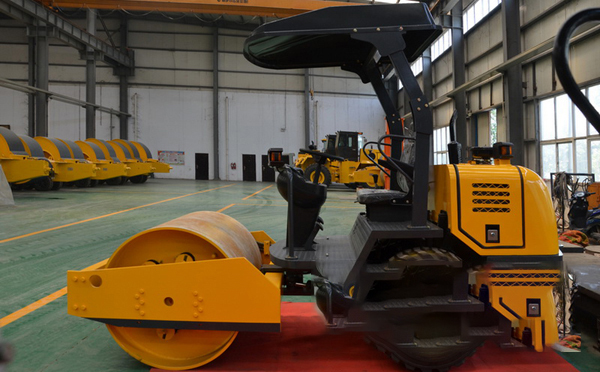
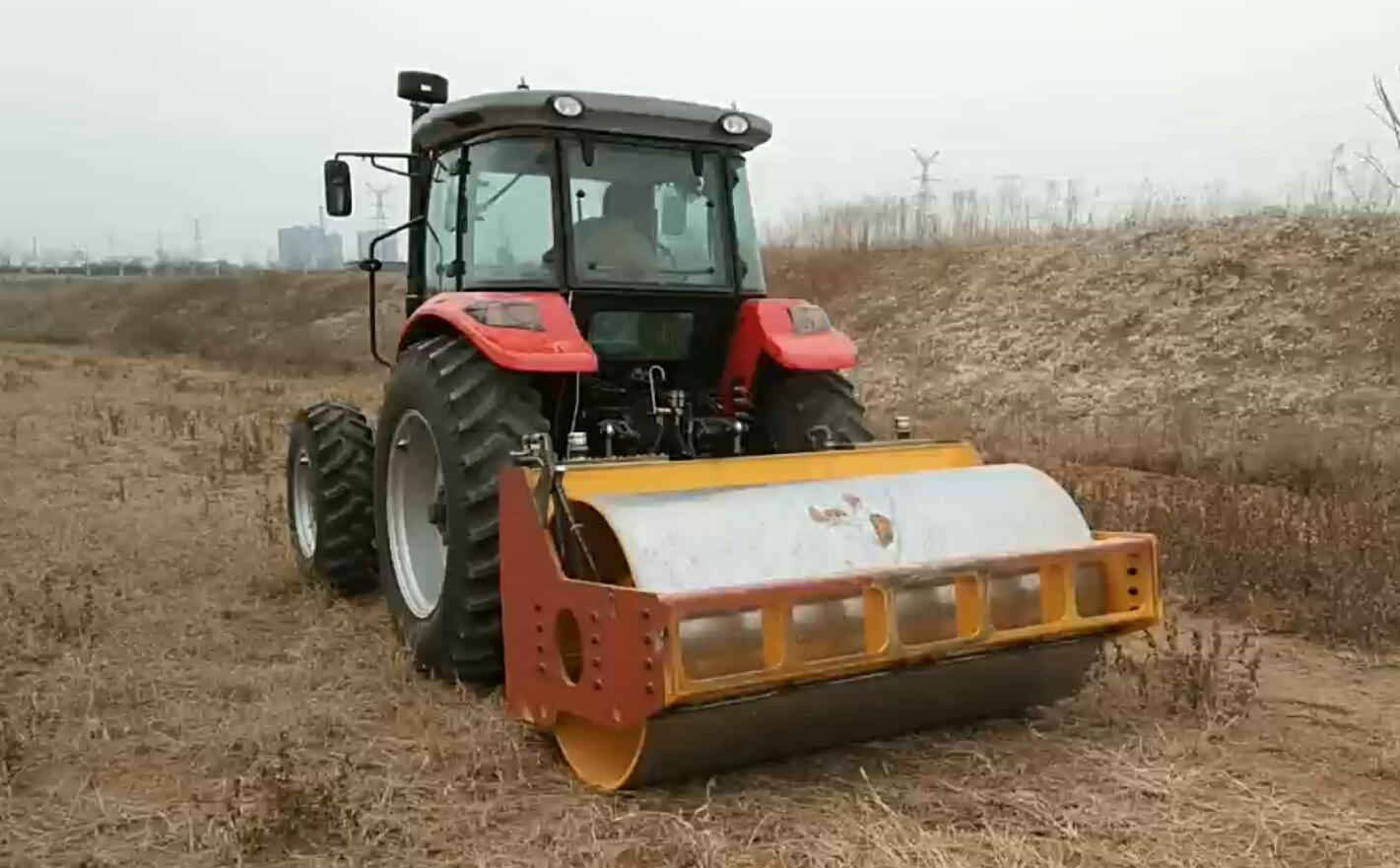
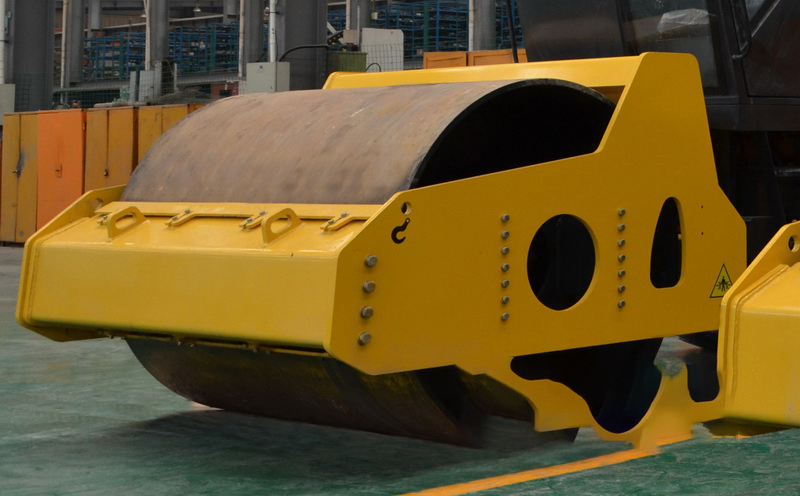
Smooth drum and many vibratory rollers maintain a broad contact footprint while the machine travels. Their practical fit depends on layer, material, vibration controls, route and the project-defined inspection or testing plan.
02
Concentrated or kneading contact
Padfoot and pneumatic arrangements alter the contact pattern and material interaction. The choice requires material and moisture information, not just a category preference.
03
Repeating dynamic impact
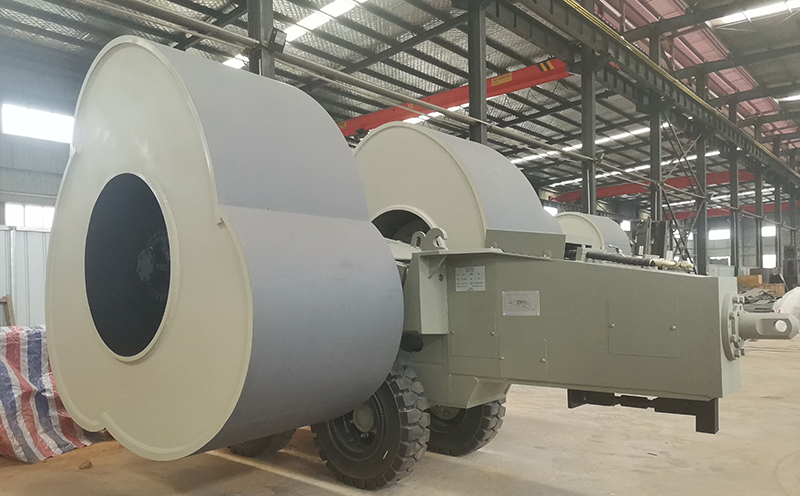
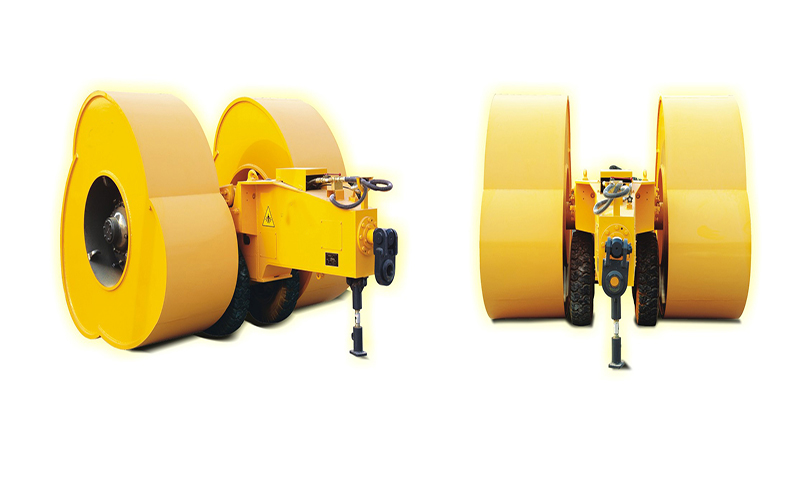
Polygonal impact rollers introduce a repeating rise, rotation and impact sequence and normally operate as a towed system. Geometry, energy class, tow tractor, damping and route must be reviewed together.
04
Carrier-positioned hydraulic impact
RIC and hydraulic compaction systems use a carrier or power arrangement to position the tool. Reach, hydraulic interface, stability, exclusion zone and work-grid planning are central selection questions.
05
Verification and handover
Every category requires a project-defined acceptance route. Operating records can support traceability, but they do not replace specified inspection, field testing, survey or engineering approval.
Decision record
Document the reasoning before equipment approval.
A review of road roller types comparison should identify the source of each project input, the party responsible for confirming it and the point in the programme when it becomes fixed. Material descriptions, equipment interfaces, access assumptions and requested documents should not be silently converted into supplier guarantees. Record open items so procurement can distinguish a preliminary discussion from an approved configuration.
Use the checklist on this page as a handover between the site, engineering, logistics and purchasing teams. When an input changes, return the change to the relevant decision owner and assess its effect on configuration, operating controls, delivery scope and verification. This creates a traceable route from the original search question to a quotation that can be compared and reviewed.
Before order placement, reconcile the proposed equipment, accessories, exclusions, documents and delivery responsibilities in one schedule. After delivery, use the approved supplied documents for inspection and operation. The website supports selection and communication, but it does not replace the contract, operating manual, site method statement or project acceptance specification for Road Roller Types Comparison: Contact, Loading and Project Fit.
Engineering boundaries
Clear limits protect the project decision.
The comparison is not a performance guarantee or ranking.
Do not select by weight, category or keyword alone.
Use source-matched model documents for final data.
Confirm the responsible acceptance party before work.
Buyer checklist
Prepare these inputs for a precise RFQ.
Material, moisture and layer
Required contact or loading behaviour
Access, traffic, turning and gradient
Tow, carrier or power interface
Operating controls and exclusions
Verification, reporting and handover route
Related equipment
Move from the guide to a documented equipment review.