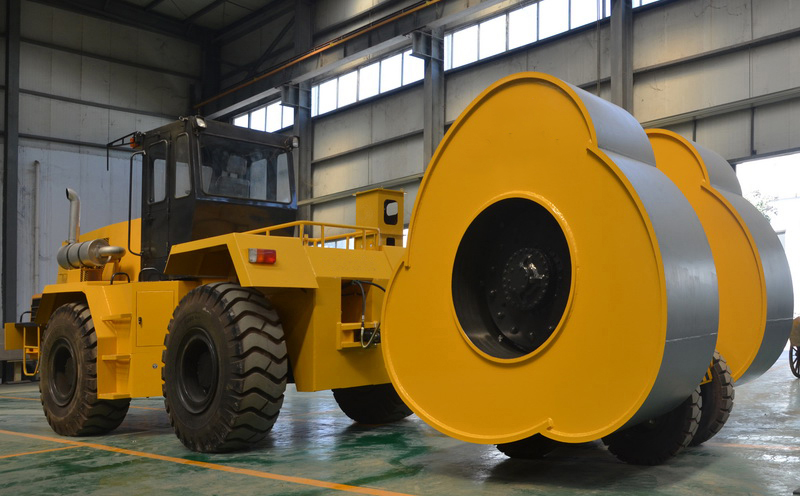
Polygonal Impact Roller Geometry: 3-Sided and 5-Sided Selection
Home / Resources / Polygonal Impact Roller Geometry: 3-Sided and 5-Sided Selection
Roller geometry guide
Make the equipment decision from project evidence.
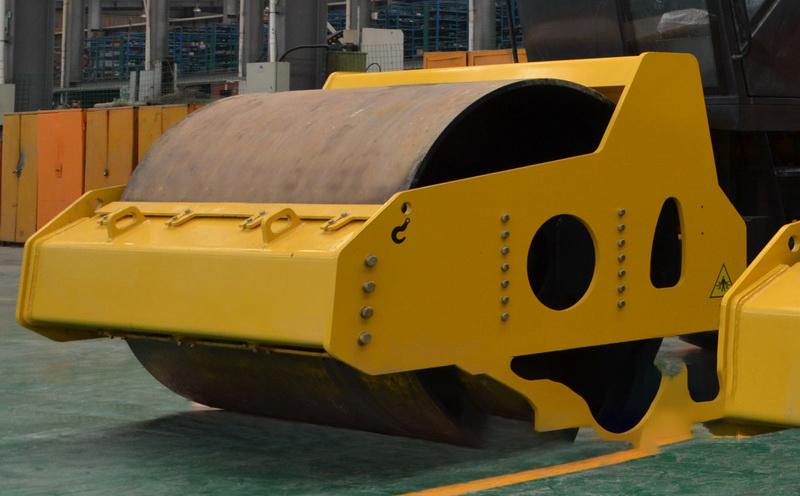
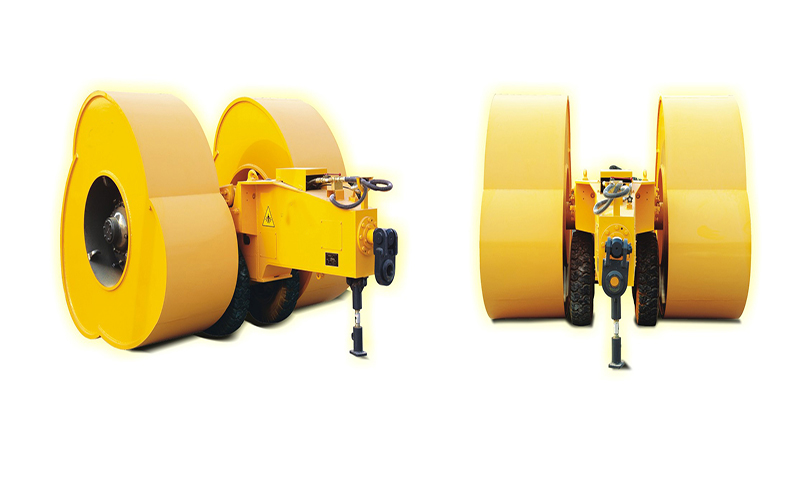
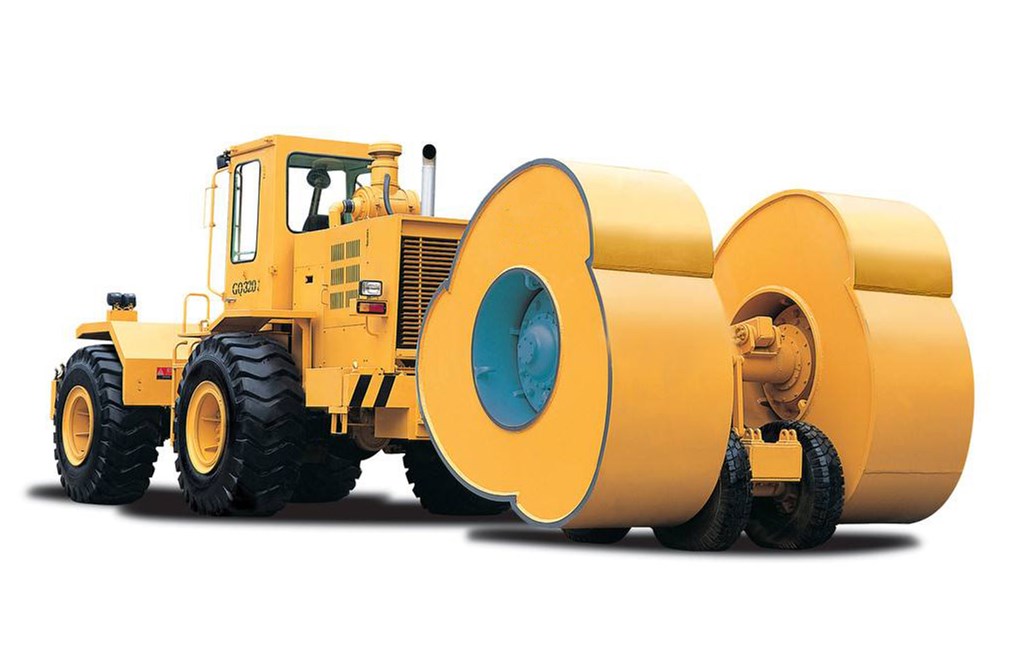
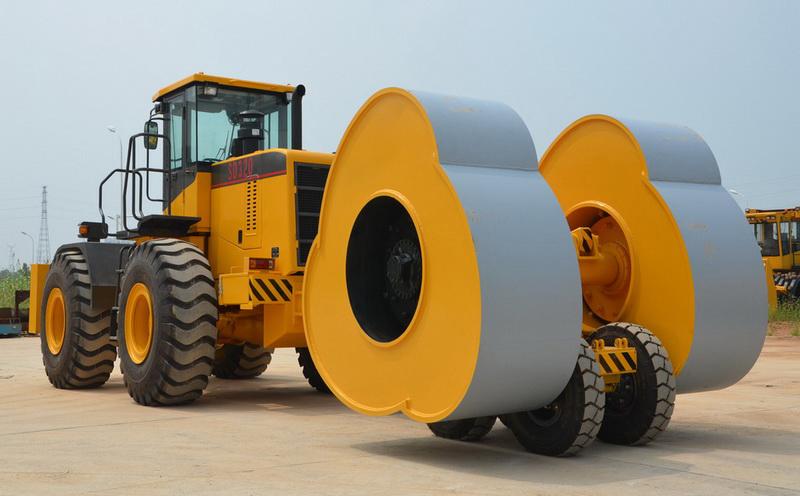
Three-sided and five-sided impact rollers are both polygonal machines, but the geometry changes the sequence of rotation and contact. A buyer should not treat the number of sides as a marketing label or assume that one form is universally superior.
Selection should be tied to the documented model, complete-set configuration, intended material, work route, tow arrangement and project verification plan. CMG can compare available configurations after those inputs are supplied.
The polygon profile controls how the roller rises, rotates and contacts the ground. The resulting sequence must be considered together with mass distribution, operating speed and damping. A visual similarity between two rollers is not evidence that their dynamic behaviour or interfaces are interchangeable.
02
Match the documented model
Model designation, geometry, nominal energy, dimensions and tow requirements should be taken from source-matched documents. Procurement teams should request the applicable specification and drawing for the exact quoted configuration instead of combining values from different brochures.
03
Plan the route and turning area
Polygonal rollers require an operating route that accommodates forward travel, controlled turning and safe separation from pits, unstable edges and other work. Site width, gradients and transition areas may be as important as the roller geometry itself.
04
Compare offers on equal scope
Supplier comparisons should use the same definition of roller, tow unit, damping, monitoring, spare parts, documents, delivery terms and commissioning communication. Comparing a roller-only offer with a complete set produces a misleading commercial conclusion.
Decision record
Document the reasoning before equipment approval.
A review of polygonal impact roller geometry should identify the source of each project input, the party responsible for confirming it and the point in the programme when it becomes fixed. Material descriptions, equipment interfaces, access assumptions and requested documents should not be silently converted into supplier guarantees. Record open items so procurement can distinguish a preliminary discussion from an approved configuration.
Use the checklist on this page as a handover between the site, engineering, logistics and purchasing teams. When an input changes, return the change to the relevant decision owner and assess its effect on configuration, operating controls, delivery scope and verification. This creates a traceable route from the original search question to a quotation that can be compared and reviewed.
Before order placement, reconcile the proposed equipment, accessories, exclusions, documents and delivery responsibilities in one schedule. After delivery, use the approved supplied documents for inspection and operation. The website supports selection and communication, but it does not replace the contract, operating manual, site method statement or project acceptance specification for Polygonal Impact Roller Geometry: 3-Sided and 5-Sided Selection.
Engineering boundaries
Clear limits protect the project decision.
Do not claim one geometry is best for every material.
Do not combine dimensions or energy values from unmatched models.
Do not ignore tow, damping and connection requirements.
Do not select geometry without checking the usable work route.
Buyer checklist
Prepare these inputs for a precise RFQ.
Required roller geometry or open selection brief
Material and moisture description
Work width, turning area, gradient and obstacles
Tow tractor availability and interface information
Requested model drawings and operating documents
Roller-only or complete-set quotation scope
Related equipment
Move from the guide to a documented equipment review.