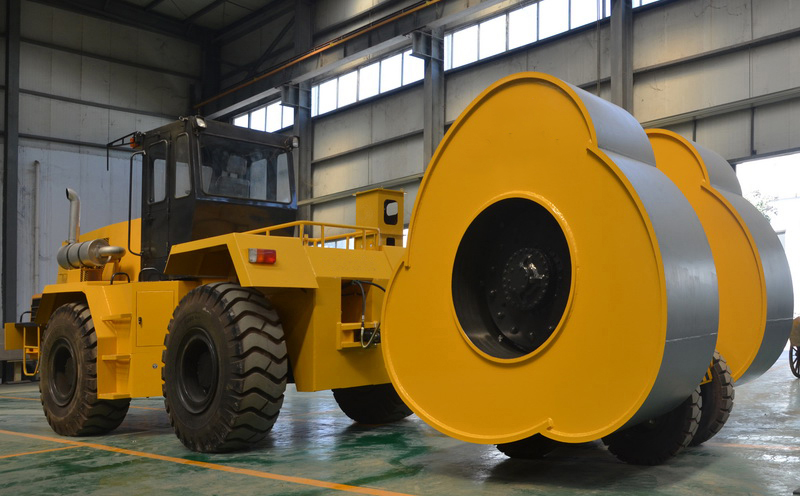
Impact Roller vs Sheep-Foot Roller: Project Selection Questions
Home / Resources / Impact Roller vs Sheep-Foot Roller: Project Selection Questions
Equipment method comparison
Make the equipment decision from project evidence.
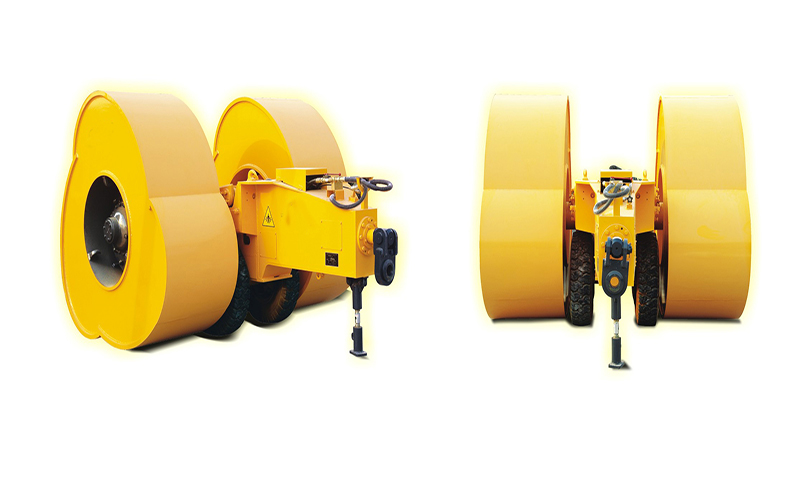
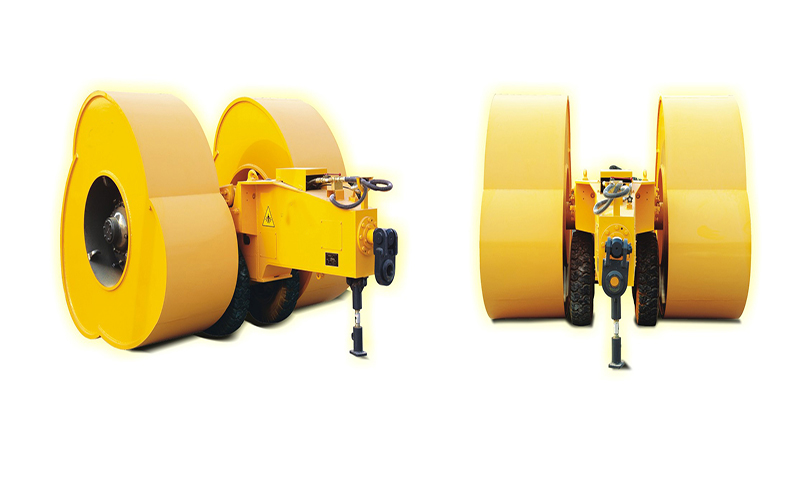
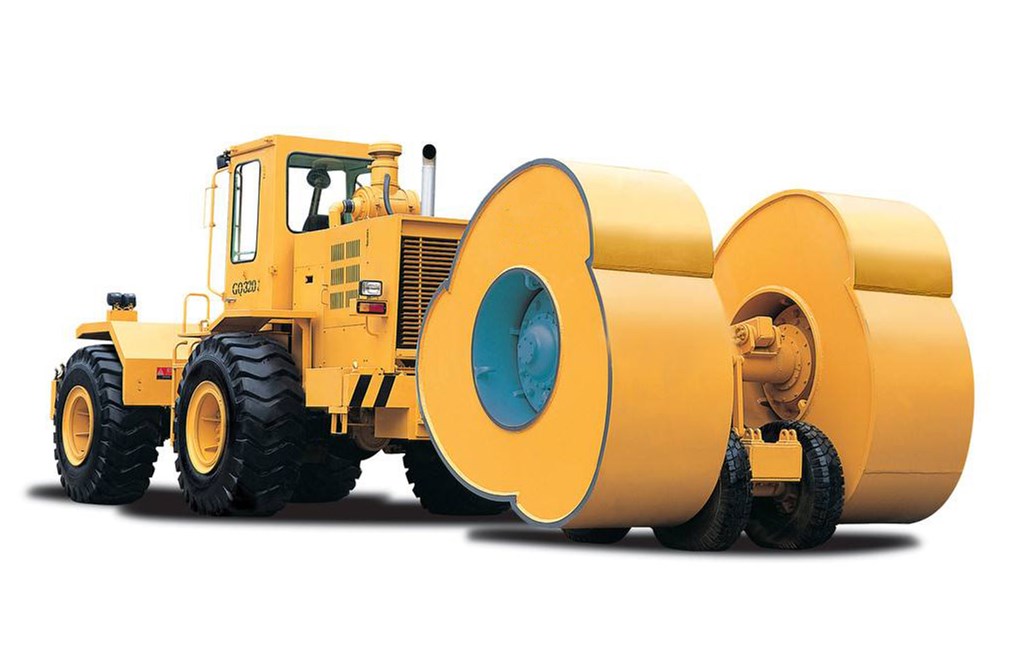
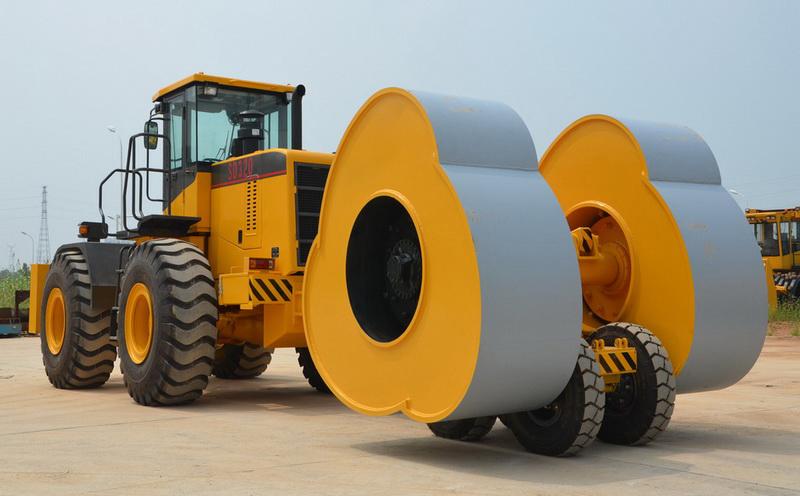
Impact rollers and sheep-foot rollers are often discussed in the same earthwork search, but they do not represent the same loading arrangement or procurement scope. A sheep-foot or padfoot roller uses concentrated contact points in a conventional rolling system; a polygonal impact roller uses a repeating dynamic impact sequence and is commonly reviewed as a towed set.
The right comparison starts with material, layer, moisture, work area, access and the next construction activity. This page is a decision framework, not a ranking or universal suitability statement.
A sheep-foot profile concentrates contact through feet or pads as the machine travels. An impact roller uses polygonal geometry to create a repeated rise, rotation and impact sequence. The project team should ask which loading behaviour fits the defined method and ground response question.
02
Review material and layer information
Record whether the work concerns cohesive soil, engineered fill, mixed earthwork, rock fill, backfill or another specified layer. Moisture, lift arrangement, confinement and the underlying ground can change the practical route; the equipment name alone is not enough.
03
Check access and system interfaces
A sheep-foot roller may have different turning and machine arrangement requirements from a towed impact roller. For the impact route, review tow tractor, damping, route, gradient, turning space and transport. For either route, confirm edge, traffic and exclusion controls.
04
Plan operation and verification
Define the work pattern, inspection points, operating limits and project acceptance route before mobilisation. Pass records and machine activity support traceability, but neither category name nor pass count replaces specified testing, survey or engineering approval.
05
Make the quotation comparable
Ask each supplier to state the exact model, configuration, accessories, documents, delivery scope, exclusions and support. Do not compare a roller-only price to a complete impact roller and tow tractor set.
Decision record
Document the reasoning before equipment approval.
A review of impact roller vs sheep foot roller should identify the source of each project input, the party responsible for confirming it and the point in the programme when it becomes fixed. Material descriptions, equipment interfaces, access assumptions and requested documents should not be silently converted into supplier guarantees. Record open items so procurement can distinguish a preliminary discussion from an approved configuration.
Use the checklist on this page as a handover between the site, engineering, logistics and purchasing teams. When an input changes, return the change to the relevant decision owner and assess its effect on configuration, operating controls, delivery scope and verification. This creates a traceable route from the original search question to a quotation that can be compared and reviewed.
Before order placement, reconcile the proposed equipment, accessories, exclusions, documents and delivery responsibilities in one schedule. After delivery, use the approved supplied documents for inspection and operation. The website supports selection and communication, but it does not replace the contract, operating manual, site method statement or project acceptance specification for Impact Roller vs Sheep-Foot Roller: Project Selection Questions.
Engineering boundaries
Clear limits protect the project decision.
Do not describe either roller as universally suitable for all soils.
Do not treat impact and sheep-foot systems as interchangeable.
Do not infer acceptance from profile, weight or pass count.
Confirm model and interface data from approved documents.
Buyer checklist
Prepare these inputs for a precise RFQ.
Material, moisture and layer information
Required loading or contact behaviour
Work area, route, turning and gradient
Tow tractor or self-propelled arrangement
Operating and verification controls
Comparable quotation and document scope
Related equipment
Move from the guide to a documented equipment review.