Home / Resources / Impact Compaction Principles for Project Planning
Impact compaction engineering
Make the equipment decision from project evidence.
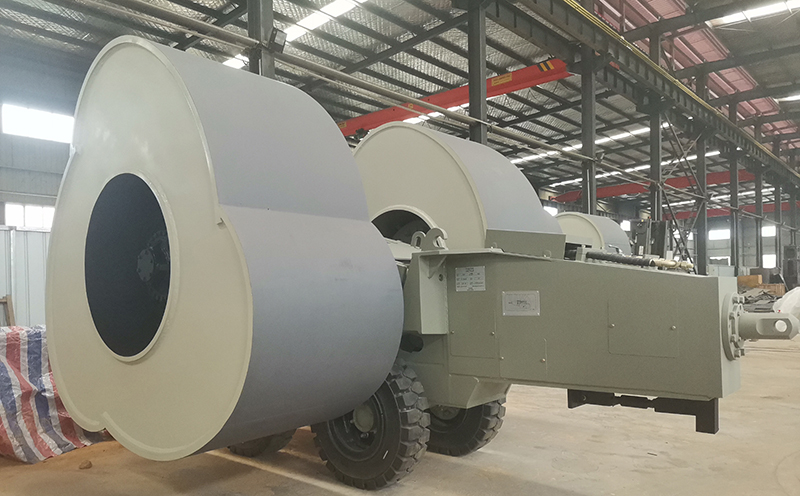
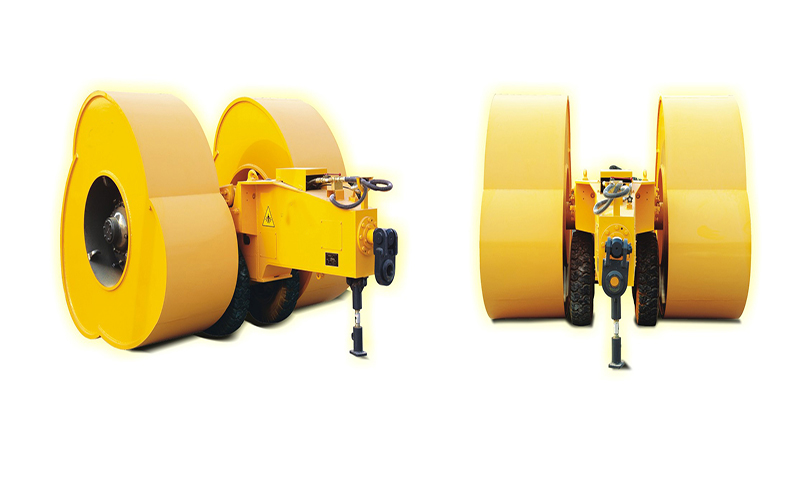
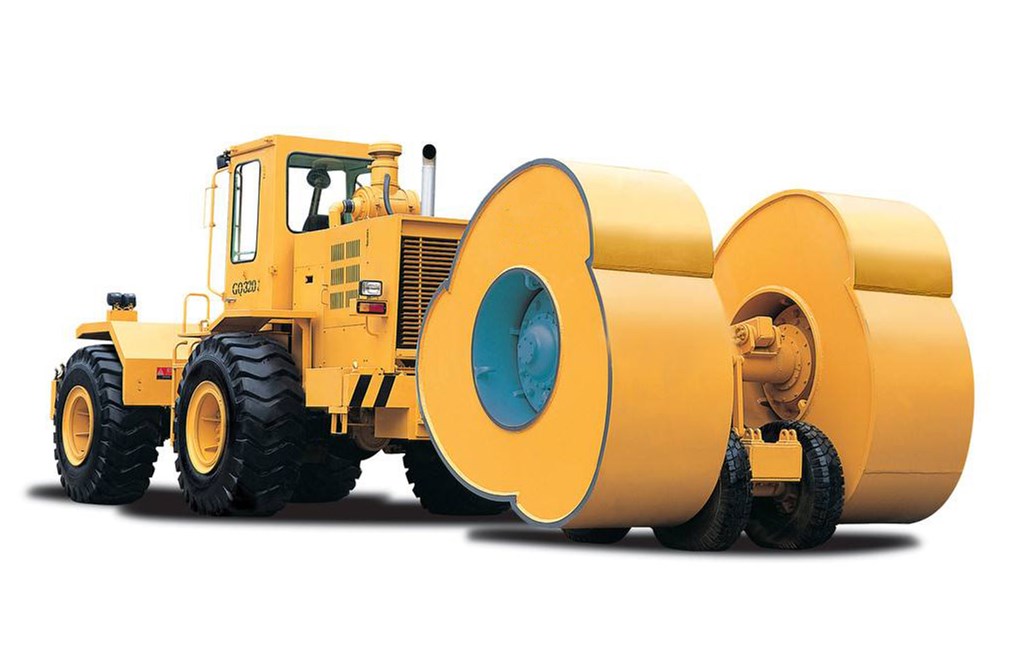
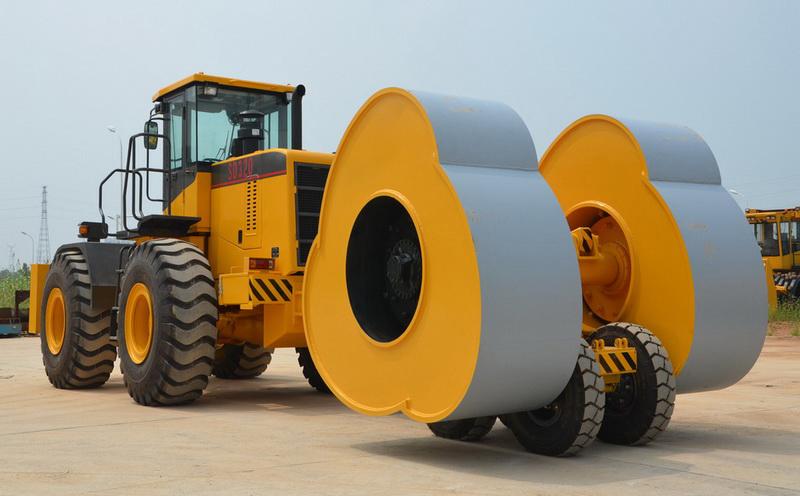
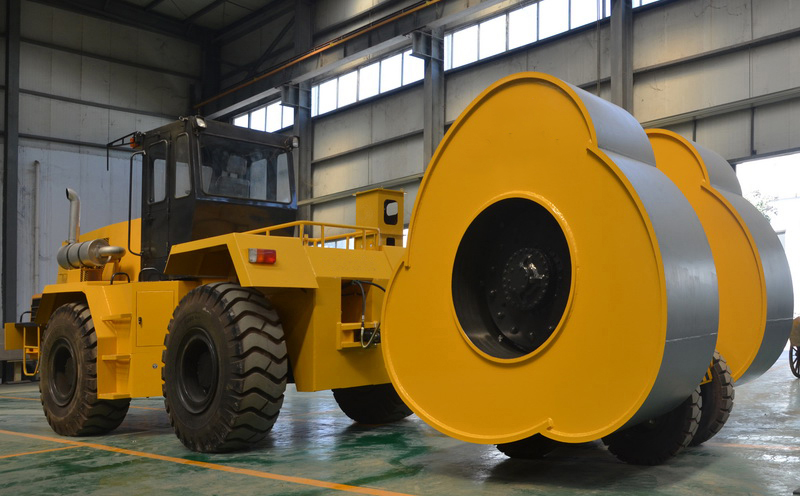
Impact compaction uses repeated dynamic loading from a moving polygonal roller. As the roller rotates, its changing geometry raises and lowers the centre of mass and transfers an impact through the contact zone. For procurement, this principle matters because an impact roller is not selected only by weight or a published energy label.
A defensible equipment discussion starts with the ground description, moisture condition, fill arrangement, work area, access, turning space, available tow equipment and project acceptance route. The method must then be coordinated with the construction sequence and responsible geotechnical process.
A conventional smooth drum maintains a comparatively continuous rolling contact. A polygonal impact roller creates a repeating rise, fall and contact sequence. Geometry, speed, mass distribution, damping and ground response therefore belong in the same system review. The page does not translate a nominal energy class into a guaranteed treatment depth or field result.
02
Ground response is project-specific
Granular fill, mixed earthworks, rock fill and variable reclaimed materials do not respond in an identical way. Moisture, particle arrangement, lift history, underlying strata and confinement can change the observed response. Available ground information and trial or verification requirements should be agreed before mobilisation.
03
The complete working system
The roller, tow tractor, damping arrangement, connection, tyres, monitoring route and operating plan must be compatible. Turning space, gradients, soft areas and haul routes affect whether the system can work safely and consistently across the planned area.
04
From process record to acceptance
Pass records and machine monitoring can document where and how equipment operated. They do not automatically prove ground acceptance. Inspection, field testing, survey or another specified method remains governed by the project requirements and responsible engineering team.
Decision record
Document the reasoning before equipment approval.
A review of impact compaction principles should identify the source of each project input, the party responsible for confirming it and the point in the programme when it becomes fixed. Material descriptions, equipment interfaces, access assumptions and requested documents should not be silently converted into supplier guarantees. Record open items so procurement can distinguish a preliminary discussion from an approved configuration.
Use the checklist on this page as a handover between the site, engineering, logistics and purchasing teams. When an input changes, return the change to the relevant decision owner and assess its effect on configuration, operating controls, delivery scope and verification. This creates a traceable route from the original search question to a quotation that can be compared and reviewed.
Before order placement, reconcile the proposed equipment, accessories, exclusions, documents and delivery responsibilities in one schedule. After delivery, use the approved supplied documents for inspection and operation. The website supports selection and communication, but it does not replace the contract, operating manual, site method statement or project acceptance specification for Impact Compaction Principles for Project Planning.
Engineering boundaries
Clear limits protect the project decision.
Do not infer universal improvement depth from nominal energy.
Do not operate outside equipment and site safety limits.
Review muddy, unstable, saturated, steep or confined areas separately.
Keep machine process records distinct from acceptance evidence.
Buyer checklist
Prepare these inputs for a precise RFQ.
Ground investigation or available material description
Moisture condition and fill placement history
Treatment area, access, gradient and turning space
Available tow tractor and connection information
Construction sequence and adjacent-work constraints
Specified inspection, monitoring and acceptance route
Related equipment
Move from the guide to a documented equipment review.