Home / Resources / 25kJ vs 35kJ Impact Roller Selection Guide
Energy-class selection
Make the equipment decision from project evidence.
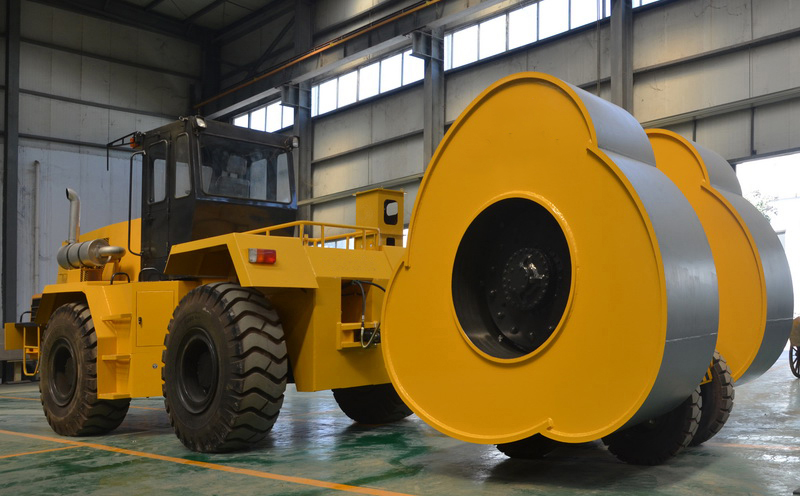
The 25kJ and 35kJ labels identify an energy-class discussion, not a standalone promise of treatment depth, productivity or acceptance. A useful comparison connects the requested class to roller geometry, complete-set configuration, tow tractor, work area, material condition, access and the project verification route.
Use this page to prepare a model-selection conversation with CMG. Final values must be taken from the source-matched model specification and the project engineering process, especially where the buyer is comparing different manufacturers or complete-set scopes.
Describe the material, moisture condition, fill or layer arrangement, treatment area, access, turning space and work that follows. If the ground is variable, saturated, unstable or restricted, record those conditions instead of treating energy class as the first or only decision.
02
Compare the complete working system
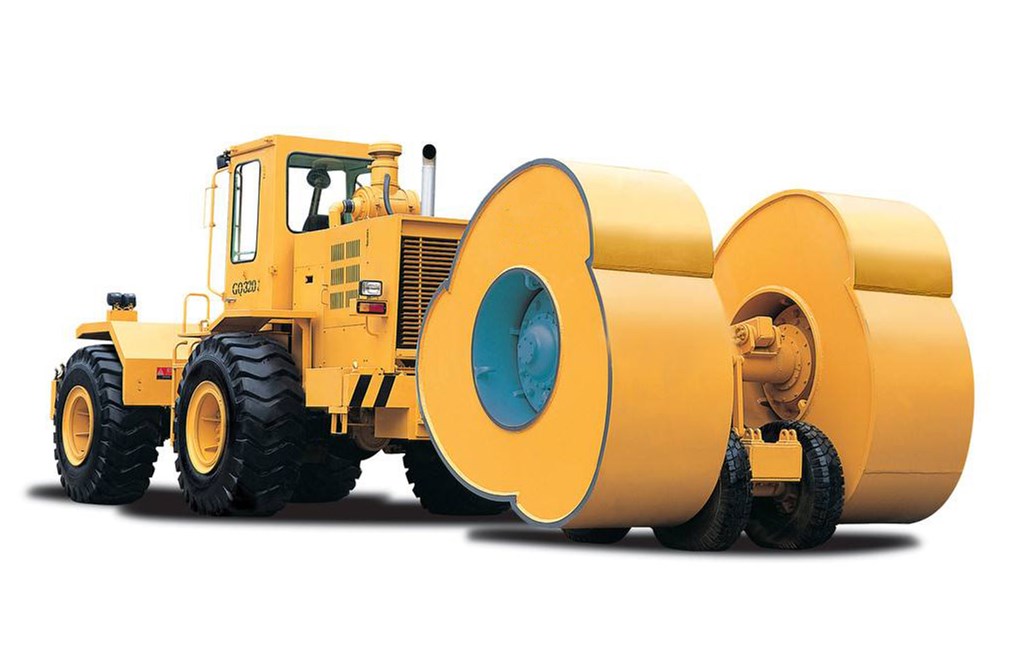
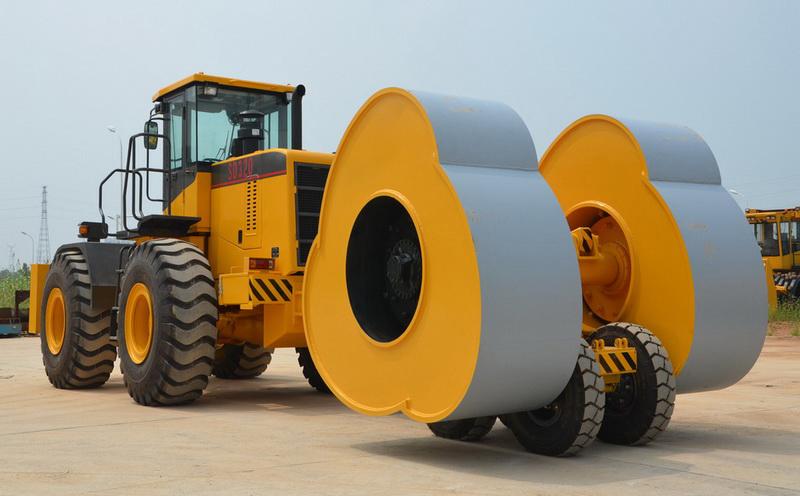
Review the impact roller, tow tractor, damping arrangement, tyres, monitoring route and support equipment together. A 35kJ roller with an undefined tow or route is not a comparable offer to a documented 25kJ complete set.
03
Use geometry and access as decision inputs
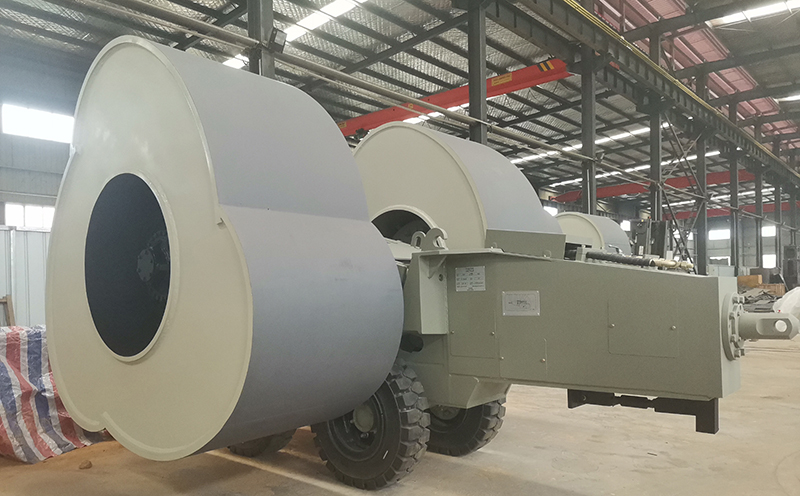
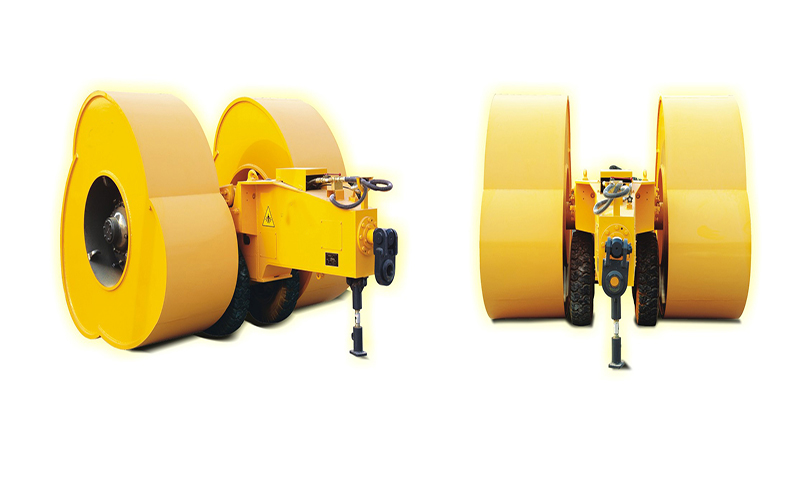
Three-sided and five-sided geometry can change the operating discussion, transport arrangement and work-zone planning. Confirm working width, turning space, route, gradient and exclusion controls from the proposed configuration rather than from a generic class label.
04
Request evidence matched to the quoted model
Ask for the model specification, configuration drawing, operating and maintenance information, interface requirements, transport data, spare-parts identification and any approved monitoring or verification material relevant to the offer.
05
Keep verification separate from marketing language
Energy class can be one input to a method discussion, but field acceptance depends on the project specification and responsible testing or engineering process. Record trial, monitoring or testing requirements before mobilisation instead of promising a universal result.
Decision record
Document the reasoning before equipment approval.
A review of 25kJ 35kJ impact roller selection should identify the source of each project input, the party responsible for confirming it and the point in the programme when it becomes fixed. Material descriptions, equipment interfaces, access assumptions and requested documents should not be silently converted into supplier guarantees. Record open items so procurement can distinguish a preliminary discussion from an approved configuration.
Use the checklist on this page as a handover between the site, engineering, logistics and purchasing teams. When an input changes, return the change to the relevant decision owner and assess its effect on configuration, operating controls, delivery scope and verification. This creates a traceable route from the original search question to a quotation that can be compared and reviewed.
Before order placement, reconcile the proposed equipment, accessories, exclusions, documents and delivery responsibilities in one schedule. After delivery, use the approved supplied documents for inspection and operation. The website supports selection and communication, but it does not replace the contract, operating manual, site method statement or project acceptance specification for 25kJ vs 35kJ Impact Roller Selection Guide.
Engineering boundaries
Clear limits protect the project decision.
Do not convert 25kJ or 35kJ into a guaranteed depth or productivity claim.
Do not compare roller-only and complete-set offers as equivalent.
Do not choose energy class without material and access information.
Use approved model documents for final dimensions and interfaces.
Buyer checklist
Prepare these inputs for a precise RFQ.
Material, moisture and layer description
Treatment area, access and turning limits
25kJ, 35kJ or open-class requirement
Three- or five-sided geometry preference if known
Tow tractor, damping and monitoring scope
Documents, verification route and delivery target
Related equipment
Move from the guide to a documented equipment review.