Engineering solutions

Soft Ground Compaction

Soft ground and variable fill solution

Soft Ground Compaction: plan the method around the project evidence.

Soft ground and variable fill planning starts with material history, moisture, water condition, work area and the next construction activity.

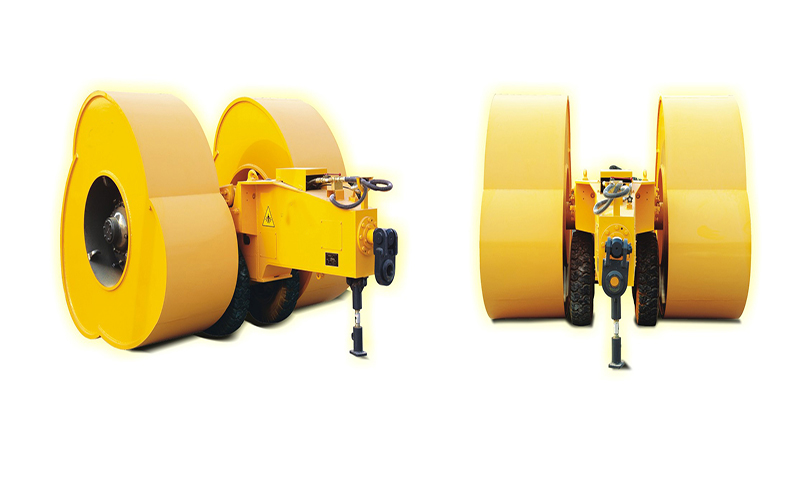
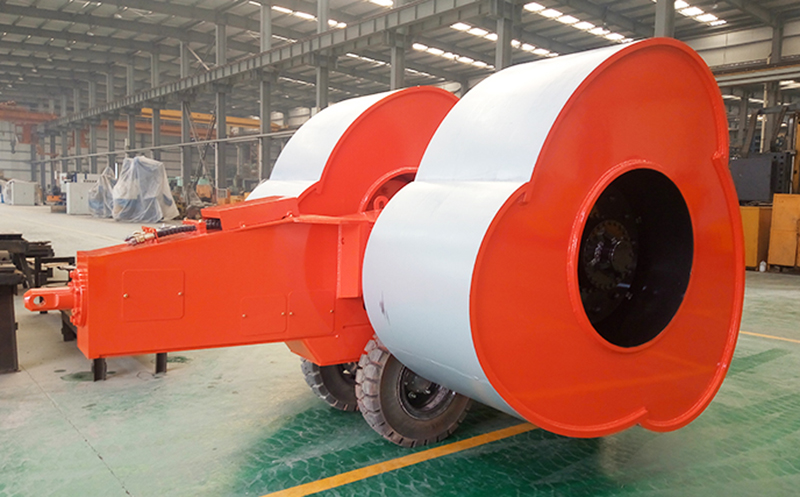
CMG can discuss impact roller, hydraulic compaction or support equipment routes after the project team provides the ground information and acceptance requirements.

Discuss this project route
Soft Ground Compaction

Method fit

Start with a clear fit discussion and a clear review boundary.

Typical discussion contexts

  • Engineered-fill programmes where ground information and work zones can be documented.
  • Projects able to coordinate drainage, access, equipment movement and verification planning.
  • Large-area earthworks where a complete working system can be reviewed.
Conditions requiring review

  • Saturated, unstable or muddy ground requires specific site assessment before equipment operation.
  • Variable material and water conditions require staged project review.
  • No treatment depth or bearing improvement is published without project evidence.
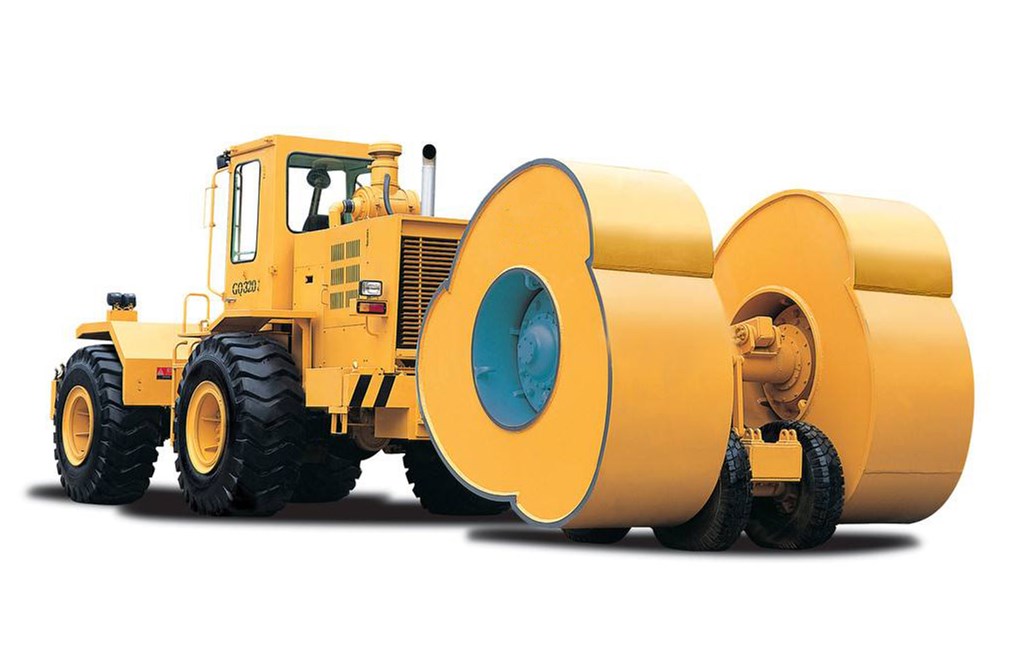
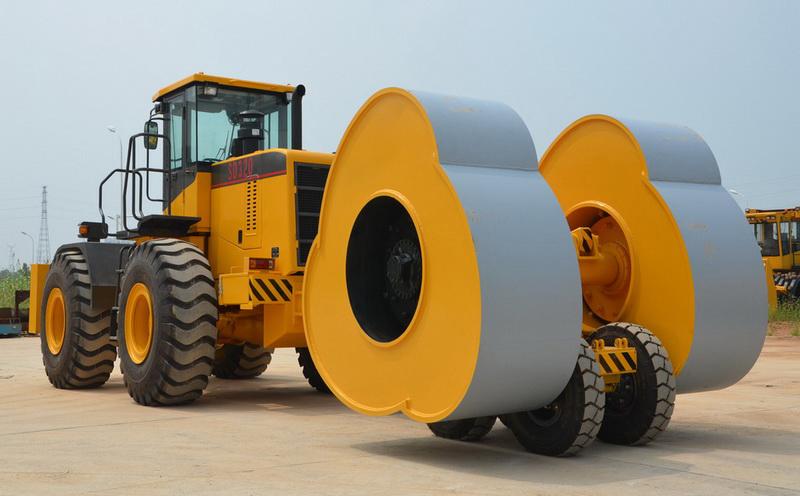
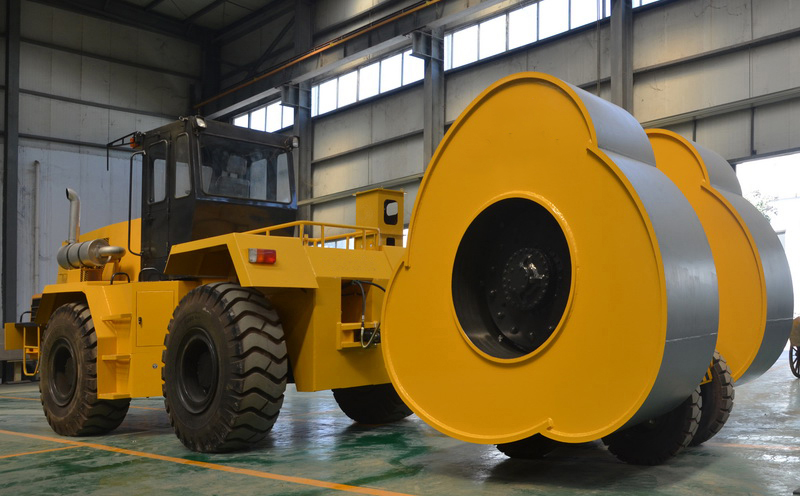
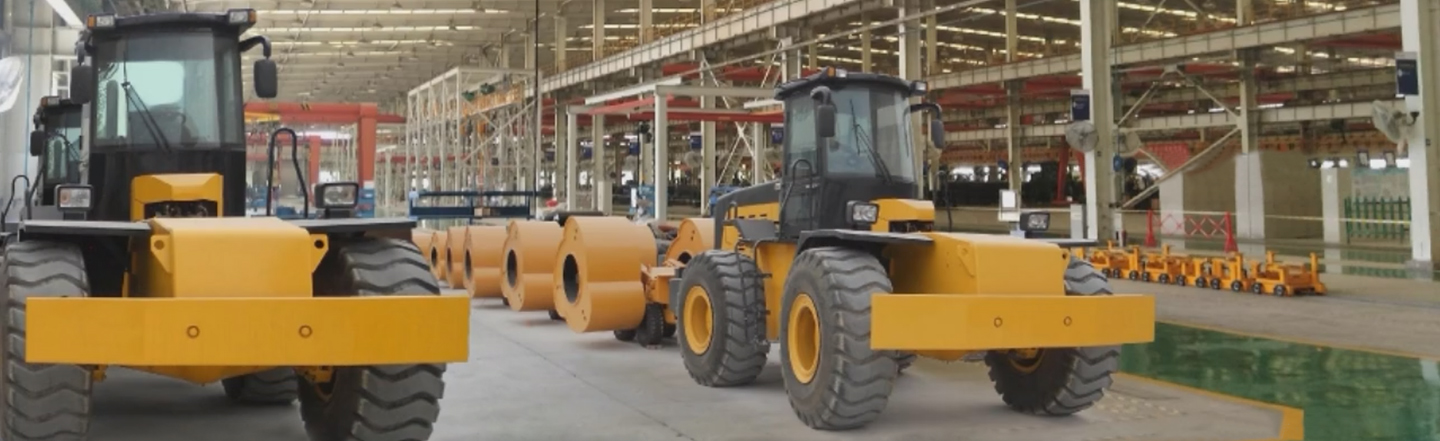
CMG Impact rollers equipment

Equipment and programme

Equipment selection follows the work plan.

Use this solution page to prepare the engineering inputs, then review the relevant equipment route alongside the project work zones, access and verification requirements.

Explore CMG equipment

Decision workflow

Make each project stage traceable.

  1. 1. Assemble ground evidence

    Record material description, moisture, water condition, work area and following construction activity.

  2. 2. Compare method routes

    Review impact rolling, hydraulic impact or other project-selected methods against access and constraints.

  3. 3. Configure the working system

    Select machine, power or carrier arrangement, operating space and support needs together.

  4. 4. Set work controls

    Define work zones, exclusion space, drainage interfaces and project documentation.

  5. 5. Verify and release

    Apply the project-defined inspection or testing route before the next work package.

Controls and evidence

Operate to a project-defined control plan.

  • Use current ground information and project engineering direction.
  • Review moisture, water or stability changes before continuing.
  • Keep equipment process records separate from acceptance evidence.
  • Protect access, drainage and following construction interfaces.

Verification planning

Agree the acceptance route before mobilisation.

Use project-defined inspection or testing rather than machine activity as final evidence.

Document work-zone changes and decisions for the next construction stage.

Relevant equipment

Connect the method to the right equipment discussion.

CMG compaction equipment video centre

Video centre

Review CMG equipment media.

Available CMG video material supports early equipment research and project discussions. Final configuration remains subject to the project review.

Visit the CMG Impact Compactor video centre

Engineering FAQ

Questions to resolve before an RFQ.

What is needed for a soft ground RFQ?

Material, moisture, water condition, work area, access and acceptance requirements.

Can one method treat all soft ground?

No. The actual ground and project objective require specific review.

Which equipment should be considered?

Impact roller or hydraulic compaction equipment can be discussed after project inputs are reviewed.

How is the work verified?

Through the project-defined inspection or testing route.

Project RFQ

Tell us what the ground needs.

Share the project conditions and the CMG team can discuss a suitable equipment route.