Engineering solutions

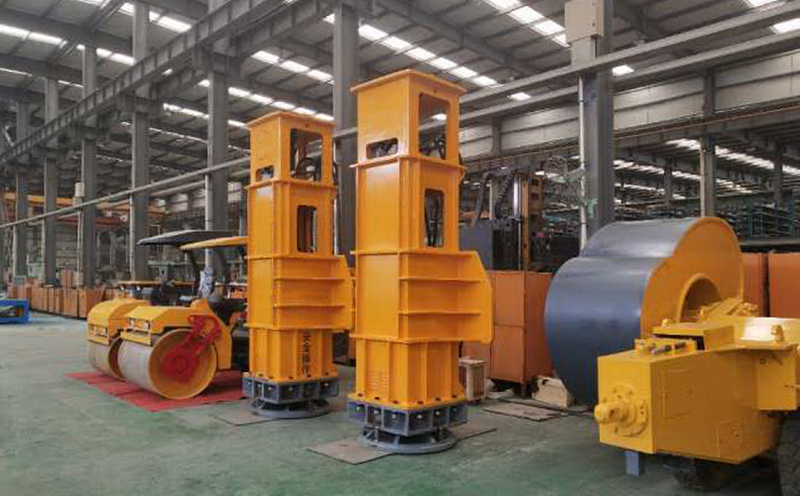
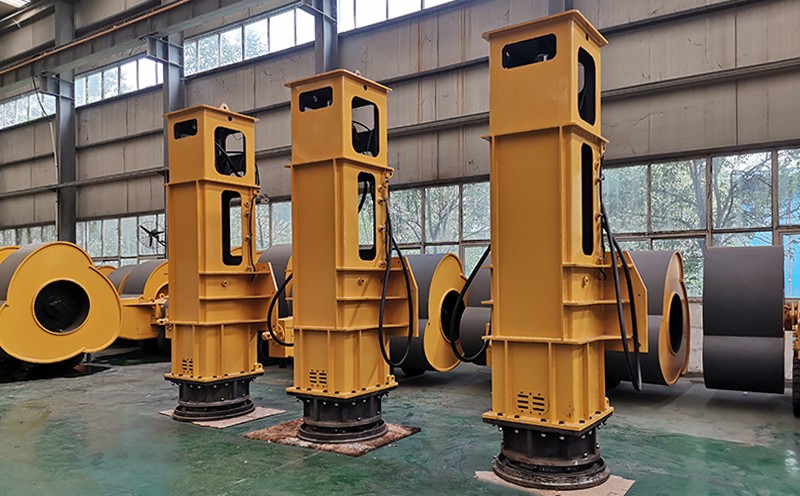
RIC Attachments for Excavators & Loaders

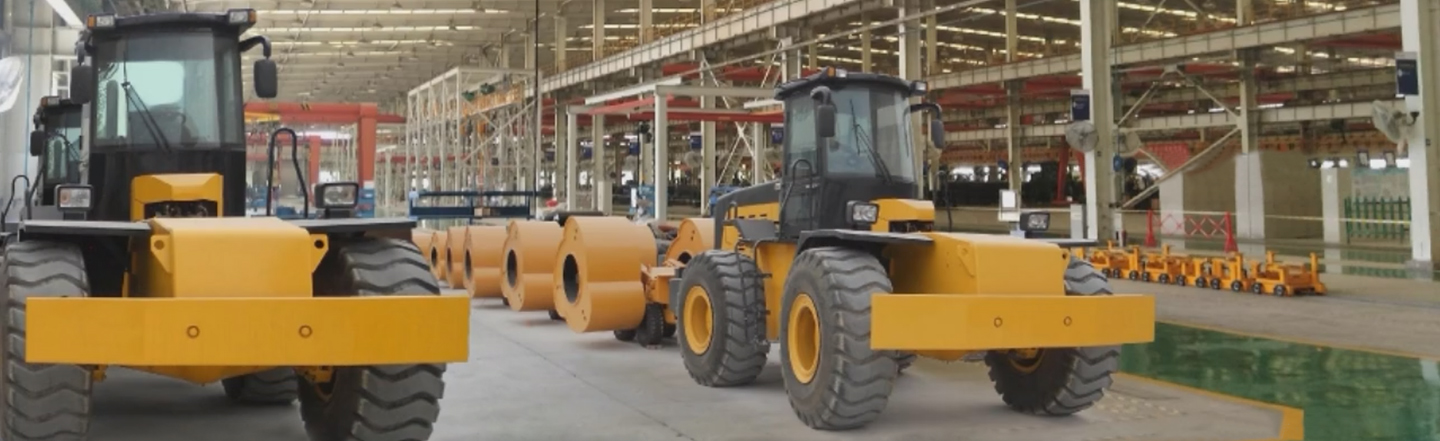
RIC attachment and carrier solution

RIC Attachments for Excavators & Loaders: plan the method around the project evidence.

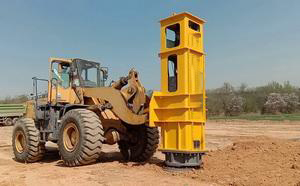
RIC attachments are selected with the excavator or wheel loader carrier, hydraulic interface, reach, work-zone and project controls.

This solution page helps connect attachment enquiries to a complete equipment and acceptance discussion.

Discuss this project route
RIC Attachments for Excavators & Loaders

Method fit

Start with a clear fit discussion and a clear review boundary.

Typical discussion contexts

  • Projects with an available excavator or wheel loader that can be reviewed for compatibility.
  • Controlled ground-treatment packages where work zones and exclusion space can be planned.
  • Buyers needing a practical route from attachment interest to an engineering RFQ.
Conditions requiring review

  • Carrier hydraulic interface, reach and safe operating space require project confirmation.
  • Attachment selection cannot be made from energy or hammer label alone.
  • Final work pattern and acceptance remain with the responsible project team.
CMG Hydraulic compaction equipment

Equipment and programme

Equipment selection follows the work plan.

Use this solution page to prepare the engineering inputs, then review the relevant equipment route alongside the project work zones, access and verification requirements.

Explore CMG equipment

Decision workflow

Make each project stage traceable.

  1. 1. Identify the carrier

    Record excavator or wheel loader make, model, hydraulic configuration and available mounting interface.

  2. 2. Define the work zone

    Set out treatment area, access, reach, exclusion space and following construction activity.

  3. 3. Review the attachment route

    Match the RIC configuration to material, ground conditions and carrier capability.

  4. 4. Plan project controls

    Agree work pattern, supervision, safety controls and documentation points.

  5. 5. Verify the treatment

    Apply the project-specified inspection or testing route before handover.

Controls and evidence

Operate to a project-defined control plan.

  • Confirm carrier compatibility before quotation.
  • Do not select by energy label alone.
  • Maintain exclusion space and safe operating controls.
  • Review access or material changes with the project team.

Verification planning

Define acceptance requirements before mobilisation.

Use process records as supporting context, not final acceptance evidence.

Complete the project acceptance route before releasing the work area.

Relevant equipment

Connect the method to the right equipment discussion.

CMG compaction equipment video centre

Video centre

Review CMG equipment media.

Available CMG video material supports early equipment research and project discussions. Final configuration remains subject to the project review.

Visit the CMG Impact Compactor video centre

Engineering FAQ

Questions to resolve before an RFQ.

Which carriers can use a RIC attachment?

Carrier compatibility must be reviewed for the specific machine and project.

What is the first RIC attachment input?

Carrier model, hydraulic interface, work area, access and treatment objective.

Can a RIC attachment work in confined areas?

It may be assessed where safe operating space and reach can be confirmed.

How is the work verified?

Through the project-defined inspection or testing route.

Project RFQ

Tell us what the ground needs.

Share the project conditions and the CMG team can discuss a suitable equipment route.