Engineering solutions

Deep Compaction & Ground Improvement

Deep compaction and ground improvement planning

Deep Compaction & Ground Improvement: plan the method around the project evidence.

Deep compaction and ground improvement are project decisions made from ground investigation, treatment objective, construction programme and the usable work area. CMG equipment discussion begins with those inputs rather than a universal result claim.

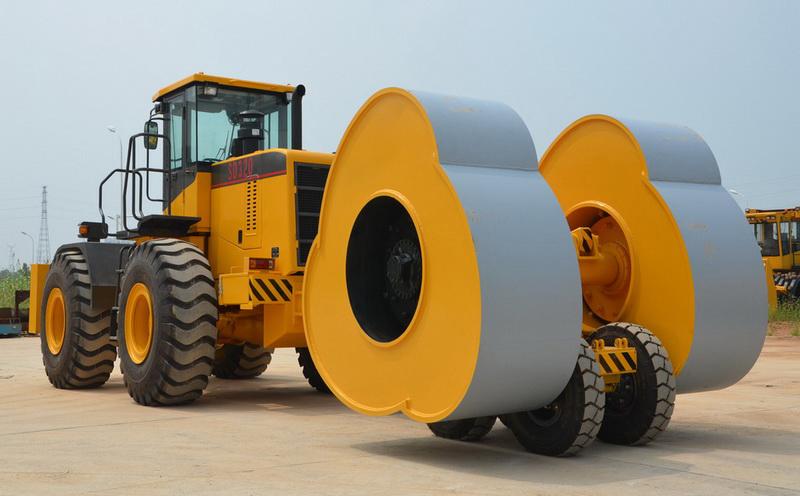
The appropriate method may include impact rolling, hydraulic impact compaction or another project-selected route. This page helps structure the equipment and planning conversation without replacing specialist geotechnical design.

Discuss this project route
Deep Compaction & Ground Improvement

Method fit

Start with a clear fit discussion and a clear review boundary.

Typical discussion contexts

  • Large infrastructure, industrial pad, engineered-fill and redevelopment programmes that can define a treatment objective and working area.
  • Projects that require a practical review of access, equipment movement, programme interfaces and verification planning.
  • Ground-improvement discussions where the project team can provide investigation information and the anticipated follow-on works.
Conditions requiring review

  • Method choice cannot be made from equipment category alone; ground investigation and responsible engineering input are essential.
  • Adjacent structures, utilities, access limits, variable strata and water conditions require specific review.
  • No treatment depth, improvement magnitude or productivity result is published without project evidence and approval.
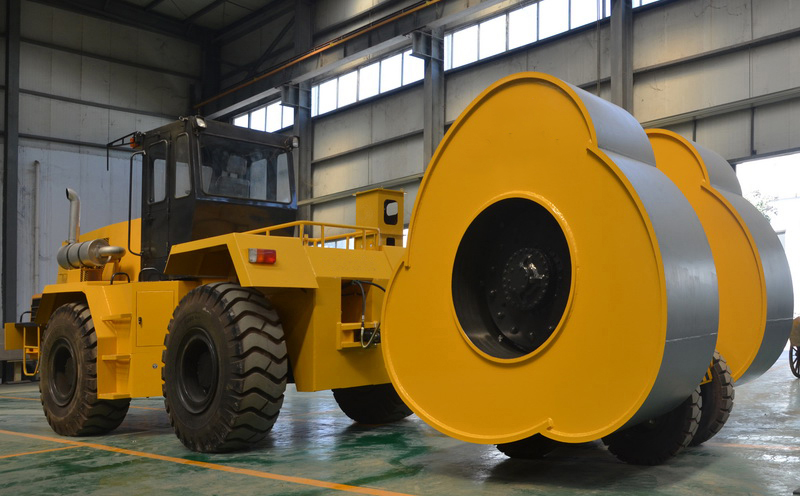
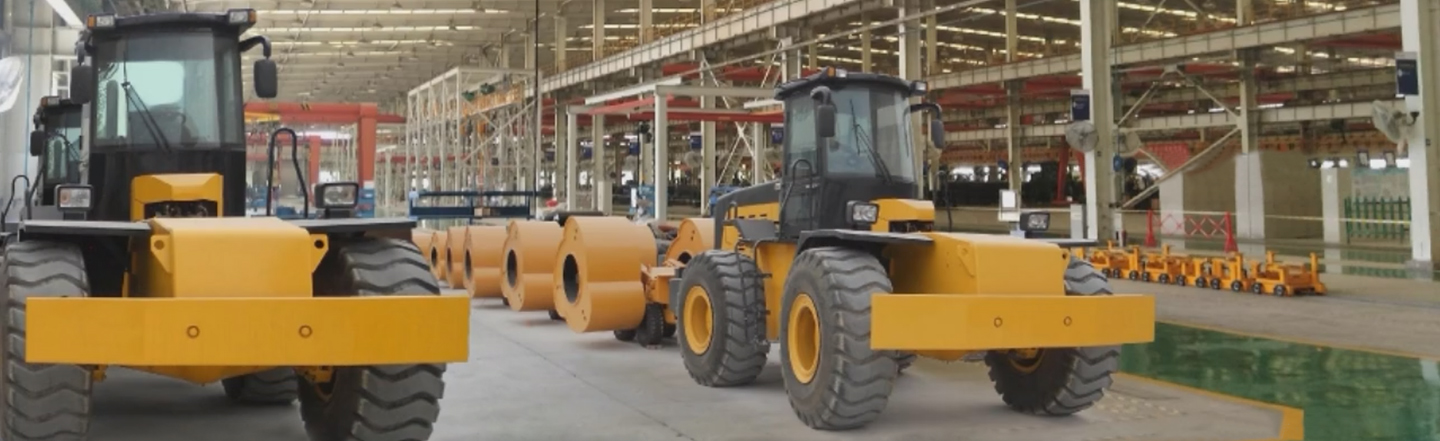
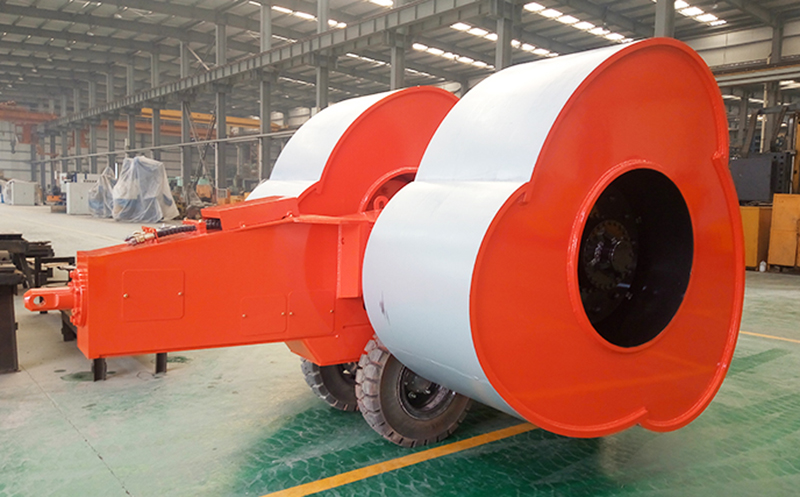
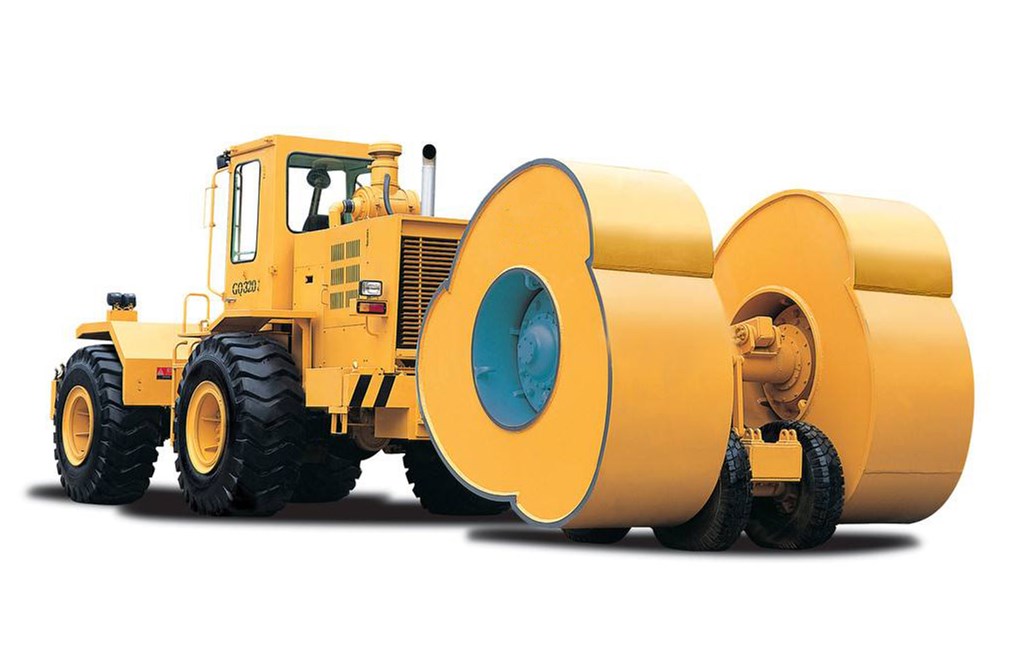
CMG Impact rollers equipment

Equipment and programme

Equipment selection follows the work plan.

Use this solution page to prepare the engineering inputs, then review the relevant equipment route alongside the project work zones, access and verification requirements.

Explore CMG equipment

Decision workflow

Make each project stage traceable.

  1. 1. Assemble the site evidence

    Provide available ground information, material description, treatment objective, programme and constraints.

  2. 2. Compare working methods

    Review practical fit of impact, hydraulic or other project-selected methods against access and work area.

  3. 3. Configure the equipment route

    Identify the equipment, power unit, support arrangement and operating space required for the chosen method.

  4. 4. Coordinate the construction interface

    Plan treatment sequence, exclusion areas and handover points with the following work package.

  5. 5. Verify the project outcome

    Apply the project-defined inspection and acceptance process before releasing the area.

Controls and evidence

Operate to a project-defined control plan.

  • Use current ground information and project engineering direction when considering a method.
  • Protect the treatment area, adjacent works and access routes through a project-defined control plan.
  • Coordinate equipment movements, turning space and programme interfaces before mobilisation.
  • Escalate changes in ground conditions or site constraints to the responsible project team.

Verification planning

Agree who owns the acceptance decision and what evidence is required before work begins.

Use the project specification to determine tests, inspection locations, timing and reporting.

Treat equipment information as supporting context, not as a substitute for geotechnical acceptance evidence.

Relevant equipment

Connect the method to the right equipment discussion.

CMG compaction equipment video centre

Video centre

Review CMG equipment media.

Available CMG video material supports early equipment research and project discussions. Final configuration remains subject to the project review.

Visit the CMG Impact Compactor video centre

Engineering FAQ

Questions to resolve before an RFQ.

What is the first input for a deep-compaction equipment discussion?

Provide available ground investigation information, the treatment objective, working area, material description, programme and constraints.

Does CMG publish a universal improvement depth?

No. Treatment response and acceptance depend on the actual ground, method, work plan and project engineering process.

Which equipment family should be considered?

The answer depends on the project method and site conditions. Impact roller and hydraulic compaction routes can be discussed after the project inputs are reviewed.

What should happen before follow-on construction?

The project-defined inspection and acceptance route should be completed before the treated area is released to the next work package.

Project RFQ

Tell us what the ground needs.

Share the project conditions and the CMG team can discuss a suitable equipment route.