RIC Carrier Compatibility and Hydraulic System Review
Home / RIC / RIC Carrier Compatibility and Hydraulic System Review
RIC system integration
Connect RIC equipment to the actual carrier and work zone.
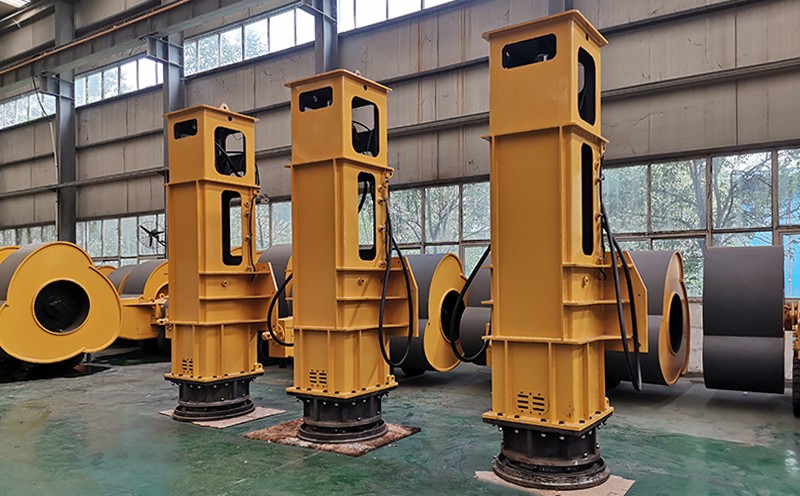
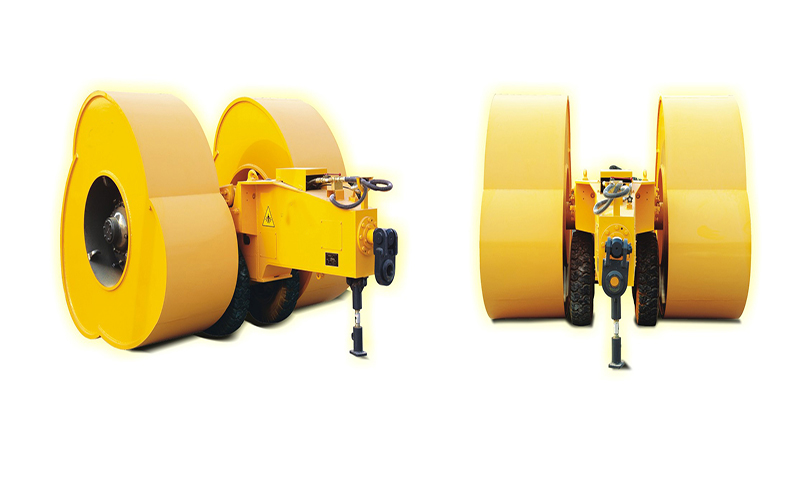
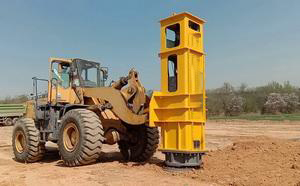
Rapid Impact Compaction equipment must be reviewed as a system connected to a defined carrier or power arrangement. Carrier size alone is not enough to confirm compatibility. Hydraulic supply, connection, mounting, working reach, stability, transport, controls and the actual work zone all affect the discussion.
The purpose of a compatibility review is to prevent a nominal attachment match from being mistaken for a project-ready configuration. CMG requires carrier and site information before confirming a proposed supply scope.
Provide manufacturer, model, operating mass, hydraulic flow and pressure information, auxiliary circuit details, mounting interface and any project restrictions. Where the carrier is not yet selected, state that clearly so the quotation can separate equipment requirements from confirmed compatibility.
02
Work-zone and reach review
The carrier must position the compaction equipment within the planned grid while maintaining the project-defined exclusion area and stable operating condition. Reach, headroom, edge conditions, underground constraints and movement between work zones require project review.
03
Hydraulic and control interface
Hydraulic values and connection details must come from the relevant carrier and equipment documentation. Hoses, fittings, controls and protection should be included in the interface discussion; they should not be assumed from a generic machine class.
04
Handover and verification
A complete quotation should state the proposed interface, supplied components, excluded carrier work, requested operating documents and verification responsibilities. Machine records may support the work history, while ground acceptance remains governed by the project specification.
Decision record
Document the reasoning before equipment approval.
A review of RIC carrier compatibility should identify the source of each project input, the party responsible for confirming it and the point in the programme when it becomes fixed. Material descriptions, equipment interfaces, access assumptions and requested documents should not be silently converted into supplier guarantees. Record open items so procurement can distinguish a preliminary discussion from an approved configuration.
Use the checklist on this page as a handover between the site, engineering, logistics and purchasing teams. When an input changes, return the change to the relevant decision owner and assess its effect on configuration, operating controls, delivery scope and verification. This creates a traceable route from the original search question to a quotation that can be compared and reviewed.
Before order placement, reconcile the proposed equipment, accessories, exclusions, documents and delivery responsibilities in one schedule. After delivery, use the approved supplied documents for inspection and operation. The website supports selection and communication, but it does not replace the contract, operating manual, site method statement or project acceptance specification for RIC Carrier Compatibility and Hydraulic System Review.
System boundaries
Compatibility is confirmed from source data.
Carrier class is not proof of compatibility.
Do not publish hydraulic limits without source-matched documentation.
Review stability, reach and exclusion space for the real work zone.
Keep equipment commissioning separate from ground acceptance.
RFQ inputs
Carrier manufacturer, model and operating configuration
Hydraulic flow, pressure and auxiliary circuit information
Mounting and connection information
Work-zone dimensions, reach and access constraints
Material condition and treatment objective
Requested drawings, manuals and commissioning scope