
Access envelope
Record width, height, turning space, gate or entrance constraints and adjacent structures.
Confined access RIC guide
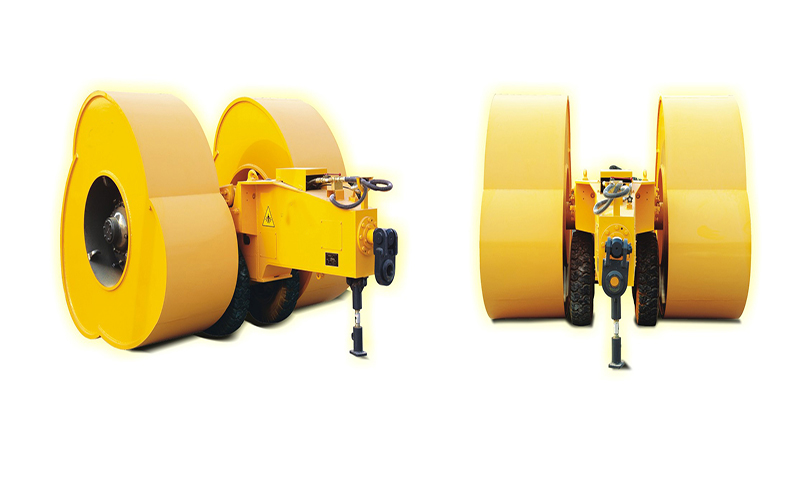
Confined access may be a reason to assess RIC equipment, but the site still needs a confirmed operating envelope, carrier route and exclusion plan.
This guide prepares the access information required for a practical CMG discussion.
Ask about this topic
Guide contents
Record width, height, turning space, gate or entrance constraints and adjacent structures.
Identify whether an excavator or wheel loader can safely enter, operate and be serviced on site.
Define exclusion space, supervision and emergency arrangements around the operating equipment.
Project acceptance remains separate from the equipment mobility assessment.
Evidence boundary
CMG uses this resource to organise a project conversation. It does not replace site investigation, geotechnical design, equipment documentation or the project acceptance specification.
Buyer checklist
Decision record
Use the following record as a handover between procurement, site engineering and the equipment supplier. Empty fields are signals to investigate, not assumptions to fill with a generic machine claim.
Related equipment
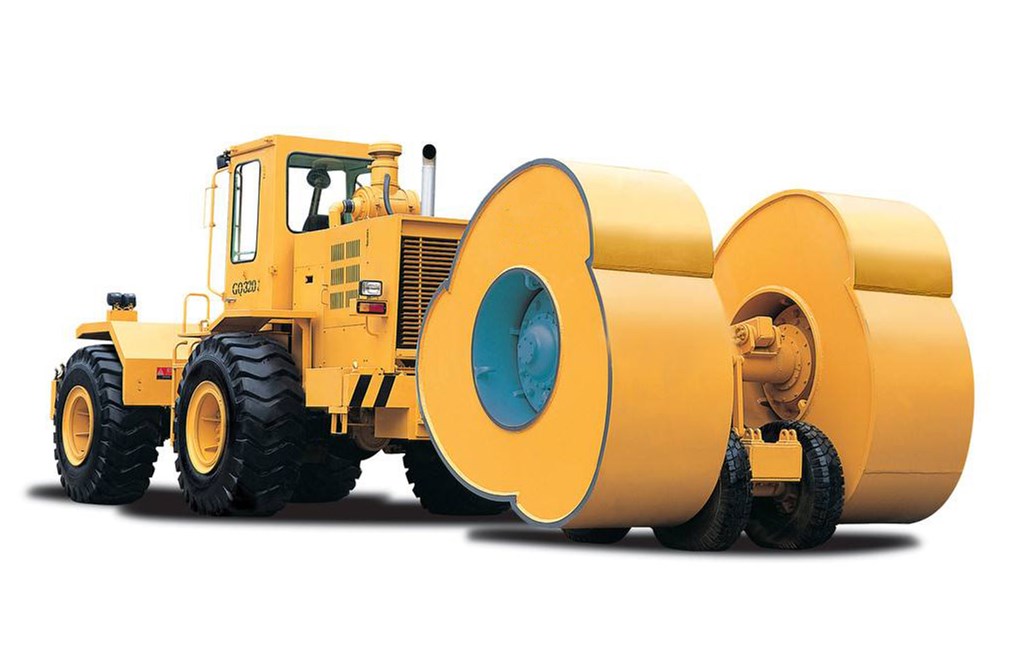
High-energy polygonal roller for demanding subgrade and ground improvement projects.
Explore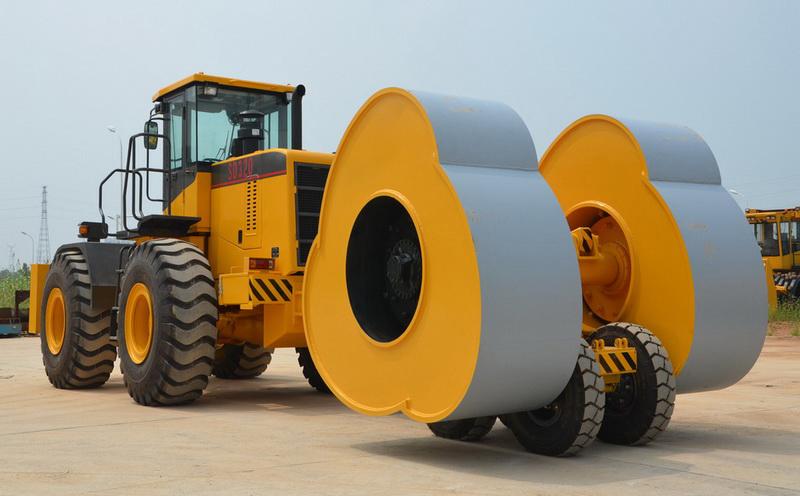
A high-energy impact roller for embankment, subgrade and foundation treatment.
Explore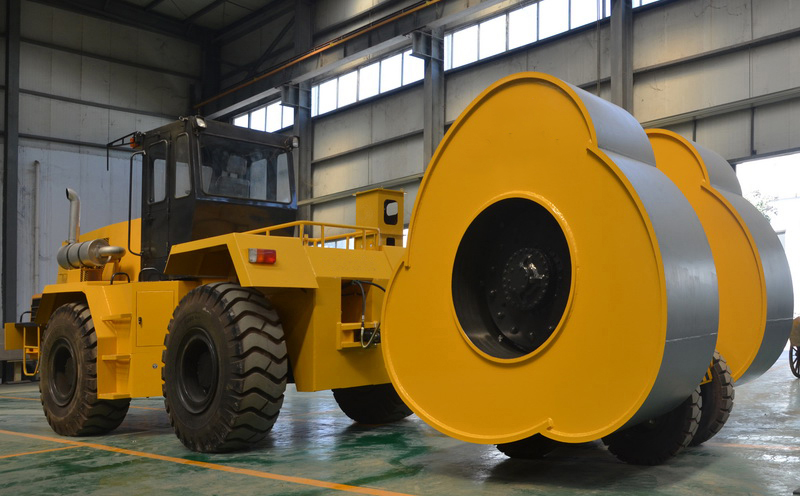
Balanced high-energy compaction for road base, fill and infrastructure construction.
Explore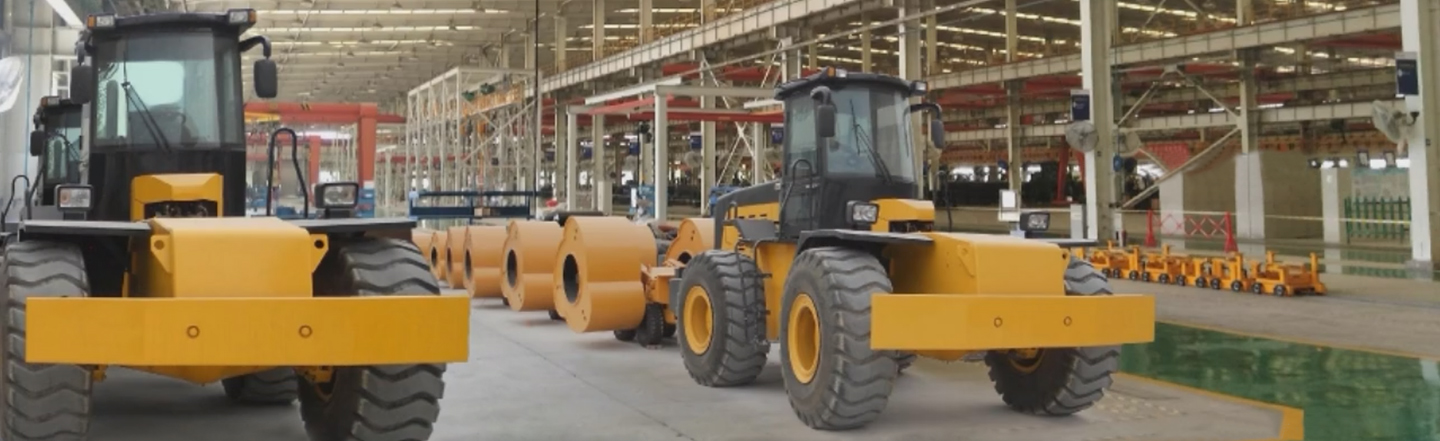
Video centre
Review available CMG equipment footage, then bring your project inputs to the technical discussion.
Visit the CMG video centreResource FAQ
It may be assessed where a safe operating envelope can be confirmed.
Dimensions, entry route, turning space, adjacent structures and exclusion requirements.
The carrier is selected from site access, available machine and project requirements.
Through a project review rather than a general equipment-size claim.