
Data scope
Define what machine activity will be recorded and how it relates to work zones and construction sequence.
RIC monitoring guide
RIC monitoring can support documented operation and help project teams review work-zone performance, but it does not replace project acceptance testing.
This guide separates useful process records from final ground acceptance.
Ask about this topic
Guide contents
Define what machine activity will be recorded and how it relates to work zones and construction sequence.
Identify the project party, standard or specification that determines acceptance.
Use consistent zone, point and time identifiers so records are traceable.
Compile process records alongside required inspection and testing for the responsible decision.
Evidence boundary
CMG uses this resource to organise a project conversation. It does not replace site investigation, geotechnical design, equipment documentation or the project acceptance specification.
Buyer checklist
Decision record
Use the following record as a handover between procurement, site engineering and the equipment supplier. Empty fields are signals to investigate, not assumptions to fill with a generic machine claim.
Related equipment

Matched power unit for towing high-energy impact roller configurations.
Explore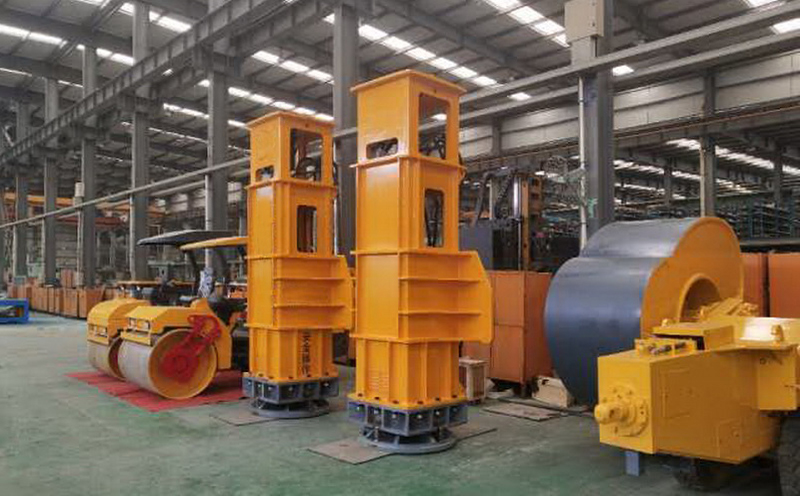
Heavy tow tractor for high-energy impact roller applications and large job sites.
Explore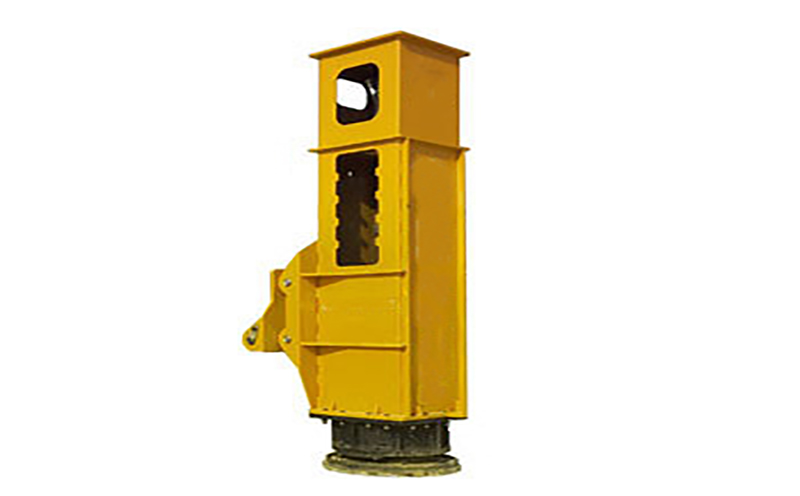
System support for planned impact compaction work and project documentation.
Explore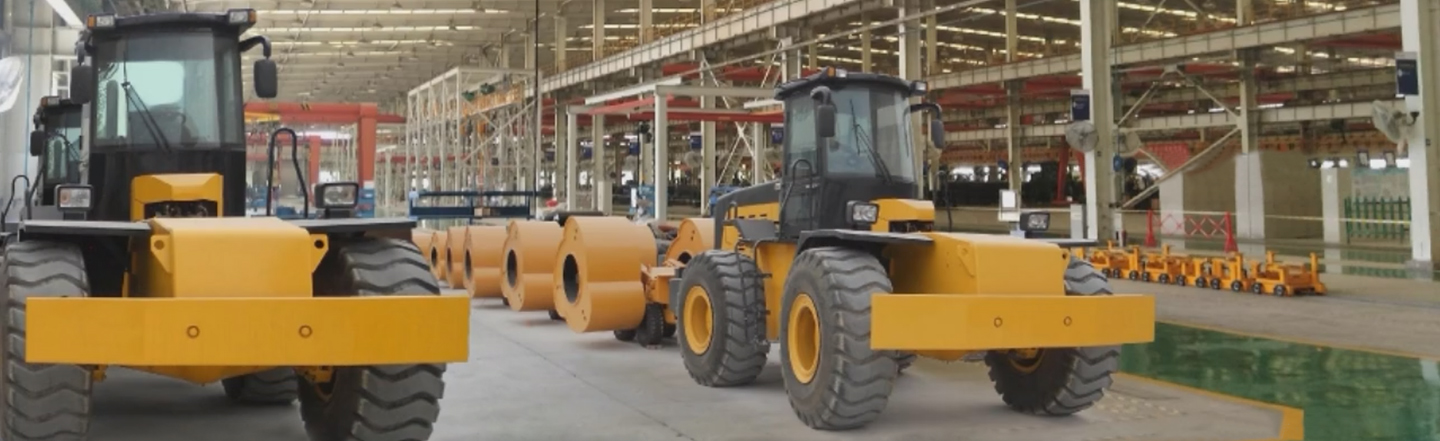
Video centre
Review available CMG equipment footage, then bring your project inputs to the technical discussion.
Visit the CMG video centreResource FAQ
Not unless the project specification defines that monitoring method as acceptance evidence.
Work zones, machine activity and any project-defined records that support the work history.
Before mobilisation, so zones, records and acceptance ownership align.
They should be reviewed by the responsible project team and addressed through the project process.