
Carrier fit
Identify the excavator or wheel loader model, hydraulic configuration and available mounting interface.
RIC attachment guide
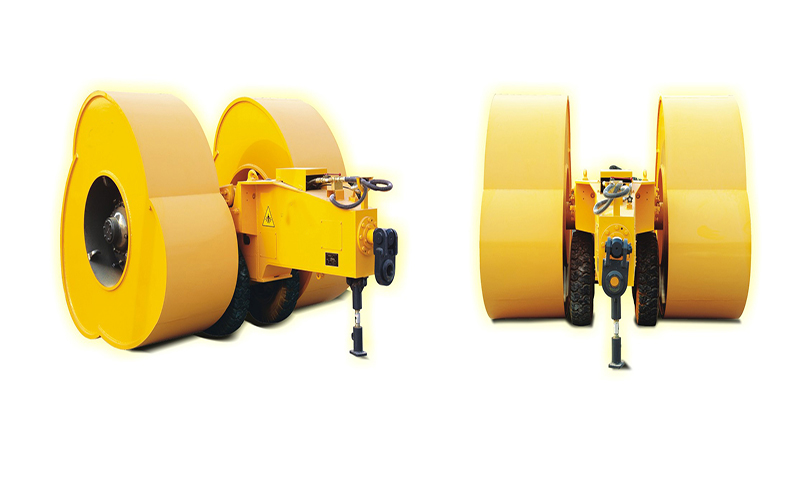
RIC attachments for excavators or wheel loaders should be selected around carrier capability, hydraulic interface, reach, work-zone and project controls.
This guide helps a buyer ask the right compatibility questions before requesting a quote.
Ask about this topic
Guide contents
Identify the excavator or wheel loader model, hydraulic configuration and available mounting interface.
Define treatment area, grid or work pattern, access, reach and exclusion space.
Confirm supervision, safety controls and project-specific work sequence before mobilisation.
Use the project acceptance route to determine the required inspection, testing or records.
Evidence boundary
CMG uses this resource to organise a project conversation. It does not replace site investigation, geotechnical design, equipment documentation or the project acceptance specification.
Buyer checklist
Decision record
Use the following record as a handover between procurement, site engineering and the equipment supplier. Empty fields are signals to investigate, not assumptions to fill with a generic machine claim.
Related equipment
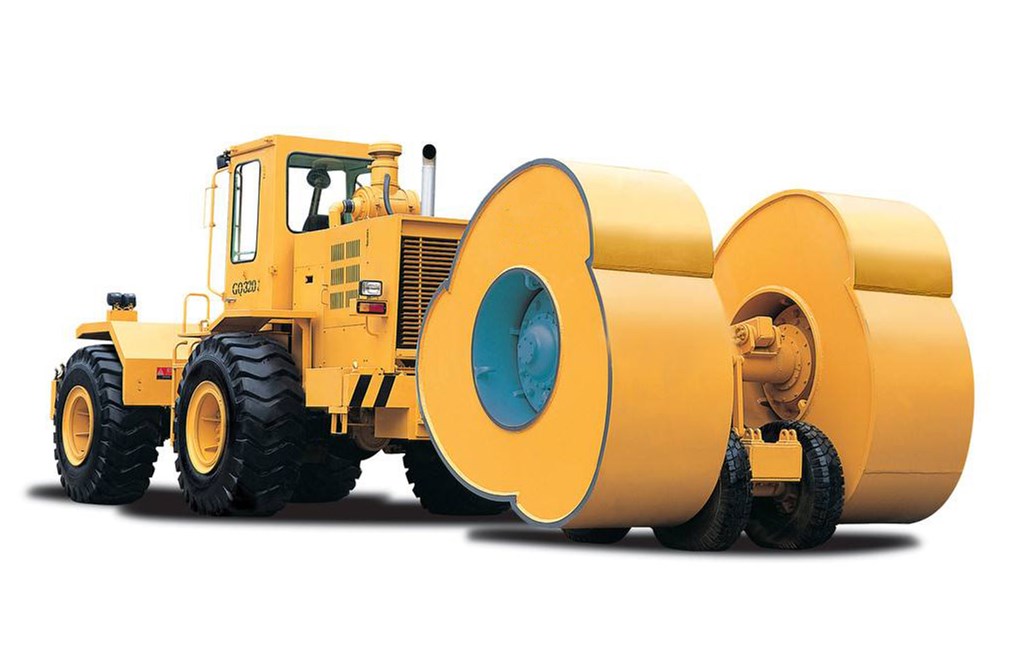
High-energy polygonal roller for demanding subgrade and ground improvement projects.
Explore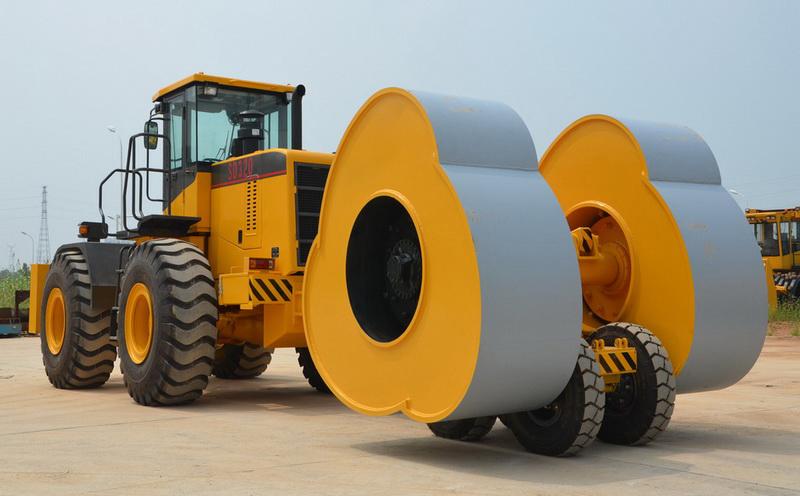
A high-energy impact roller for embankment, subgrade and foundation treatment.
Explore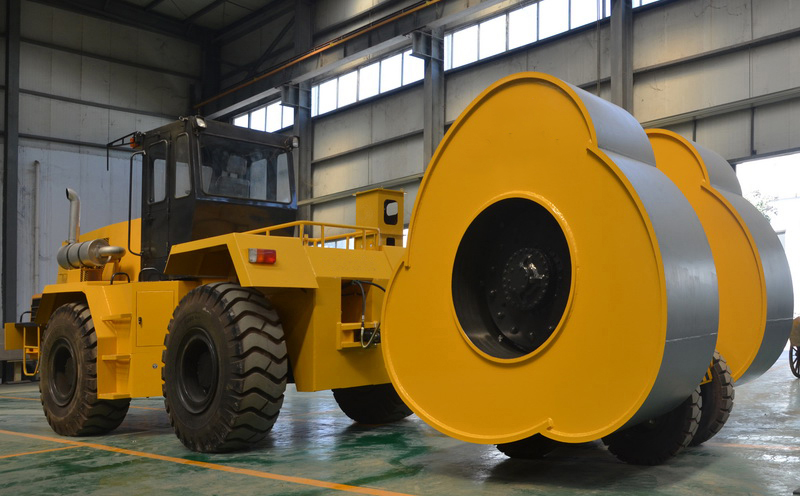
Balanced high-energy compaction for road base, fill and infrastructure construction.
Explore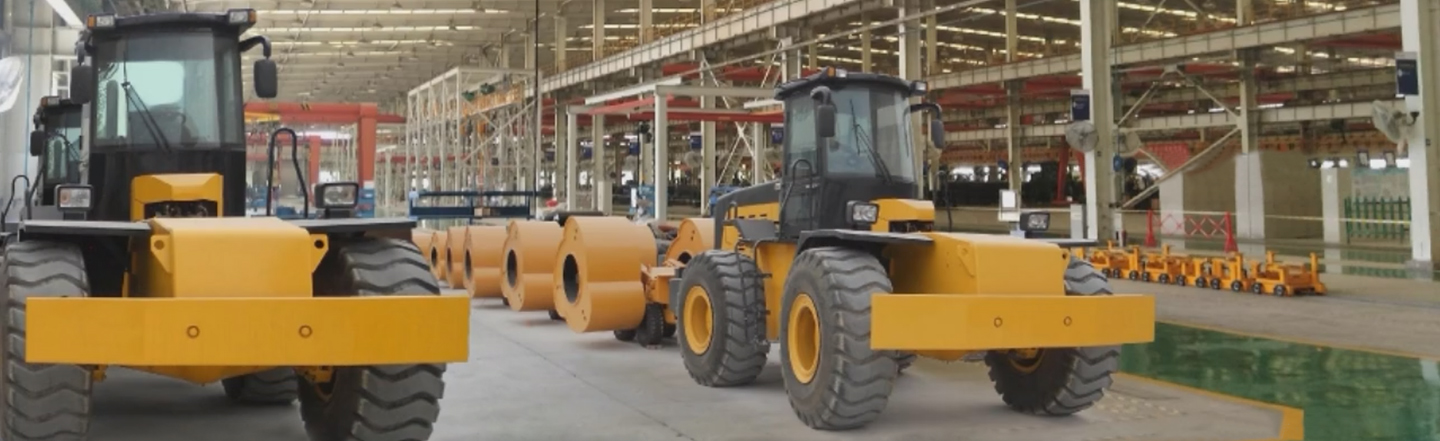
Video centre
Review available CMG equipment footage, then bring your project inputs to the technical discussion.
Visit the CMG video centreResource FAQ
Carrier compatibility must be reviewed for the specific machine and project.
Carrier model, hydraulic interface, work area, access and treatment objective.
It may be assessed where access is constrained, but safe operating space and reach must be confirmed.
Through the project-defined inspection or testing route.