
Work zone
Define the treatment area, material, access constraints, exclusion space and the next construction activity.
RIC selection guide
Rapid Impact Compaction is assessed as a controlled hydraulic ground-treatment route where carrier arrangement, work zone, operating sequence and verification can be planned.
The goal of an early guide is to prepare a useful RFQ, not to promise a generic result. CMG reviews project inputs before discussing a hydraulic equipment configuration.
Ask about this topic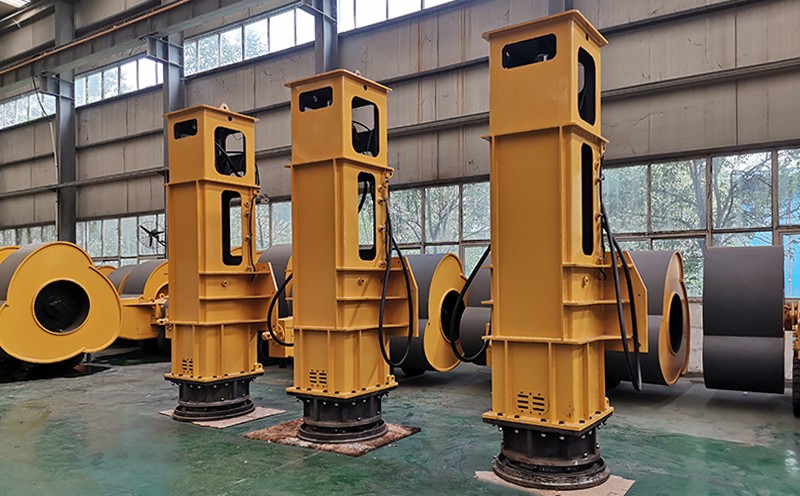
Guide contents
Define the treatment area, material, access constraints, exclusion space and the next construction activity.
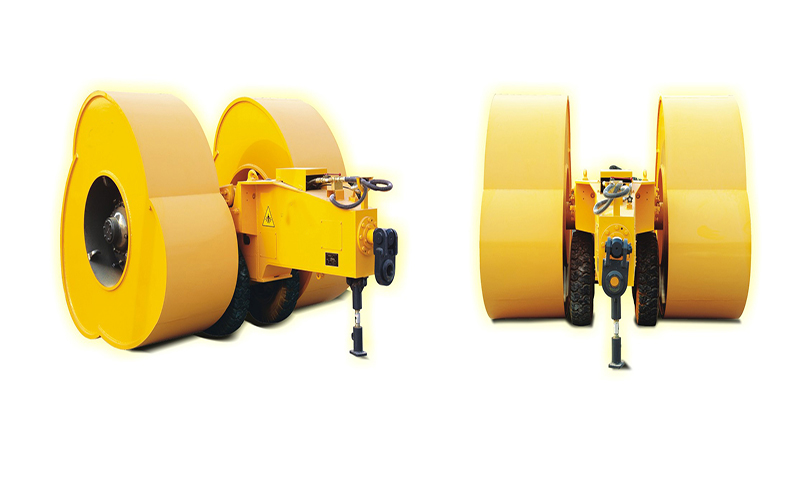
Review the hydraulic equipment, carrier or power arrangement and operating space together.
Set out the intended work pattern and project controls before operation.
Use the project specification to determine what inspection, testing or reporting is required before handover.
Evidence boundary
CMG uses this resource to organise a project conversation. It does not replace site investigation, geotechnical design, equipment documentation or the project acceptance specification.
Buyer checklist
Decision record
Use the following record as a handover between procurement, site engineering and the equipment supplier. Empty fields are signals to investigate, not assumptions to fill with a generic machine claim.
Related equipment
Hydraulic rapid impact compaction equipment for controlled ground improvement work.
Explore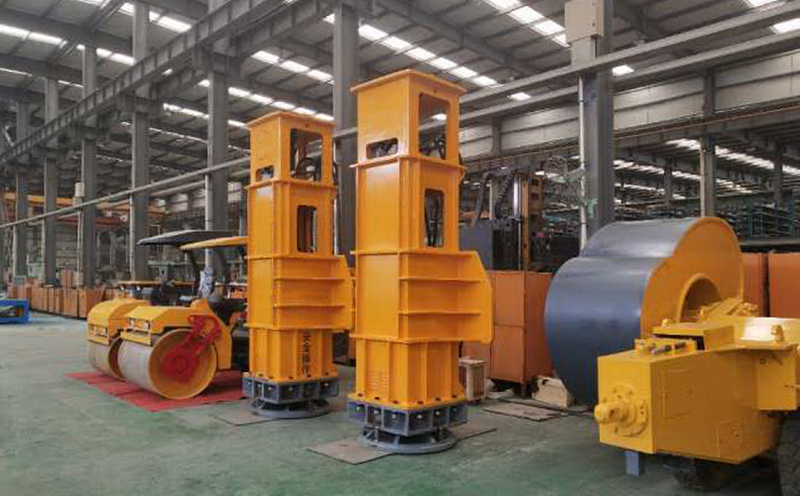
Hydraulic compaction machine for repeatable site treatment and foundation preparation.
Explore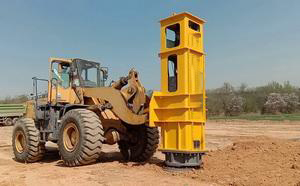
Hydraulic impact compactor for site treatment programmes requiring controlled energy delivery.
Explore
Video centre
Review available CMG equipment footage, then bring your project inputs to the technical discussion.
Visit the CMG video centreResource FAQ
The work zone, material condition, access, carrier arrangement and acceptance route.
It may be assessed where access is constrained, but operating space, carrier reach and project controls require confirmation.
No. The project specification defines final acceptance evidence.
Record the change and review the work sequence or equipment route before continuing.