
Waste and site duty
Describe waste type, daily placement volume, working slope, cell layout and operating hours.
Landfill compactor buyer guide
A landfill compactor purchase should be evaluated around waste stream, daily operation, site geometry, support access and total operating duty.
This guide helps a procurement team ask the right questions before comparing operating class and supplier claims.
Ask about this topic
Guide contents
Describe waste type, daily placement volume, working slope, cell layout and operating hours.
Review operating class, guarding, cab, cooling, wheel or tooth arrangement and maintenance access against the site.
Align service intervals, wear parts, operator information and after-sales support with the intended operation.
Confirm technical files, operating guidance, delivery terms and support route before a quotation is finalised.
Evidence boundary
CMG uses this resource to organise a project conversation. It does not replace site investigation, geotechnical design, equipment documentation or the project acceptance specification.
Buyer checklist
Decision record
Use the following record as a handover between procurement, site engineering and the equipment supplier. Empty fields are signals to investigate, not assumptions to fill with a generic machine claim.
Related equipment
Heavy-duty landfill compactor for waste management and refuse handling operations.
Explore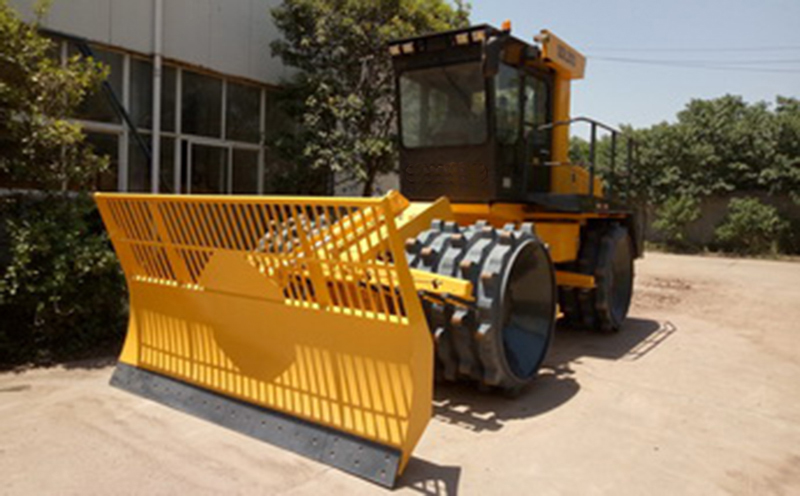
Landfill compactor for robust refuse compaction and site operations.
Explore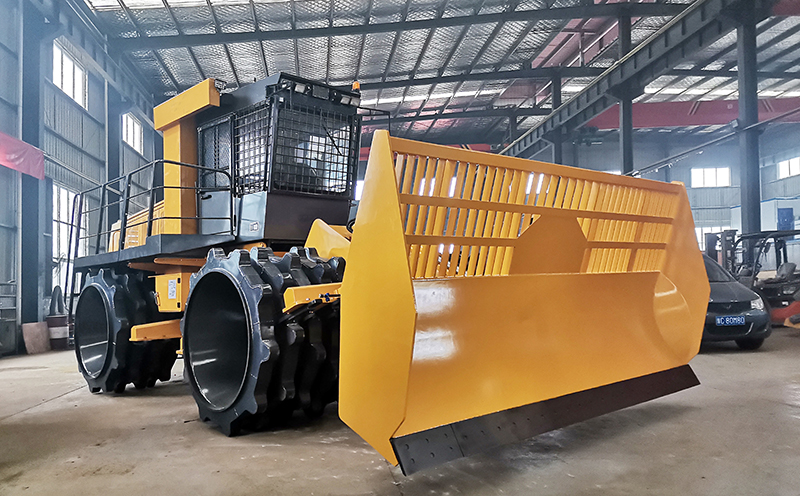
Heavy landfill compactor for high-throughput waste handling programmes.
Explore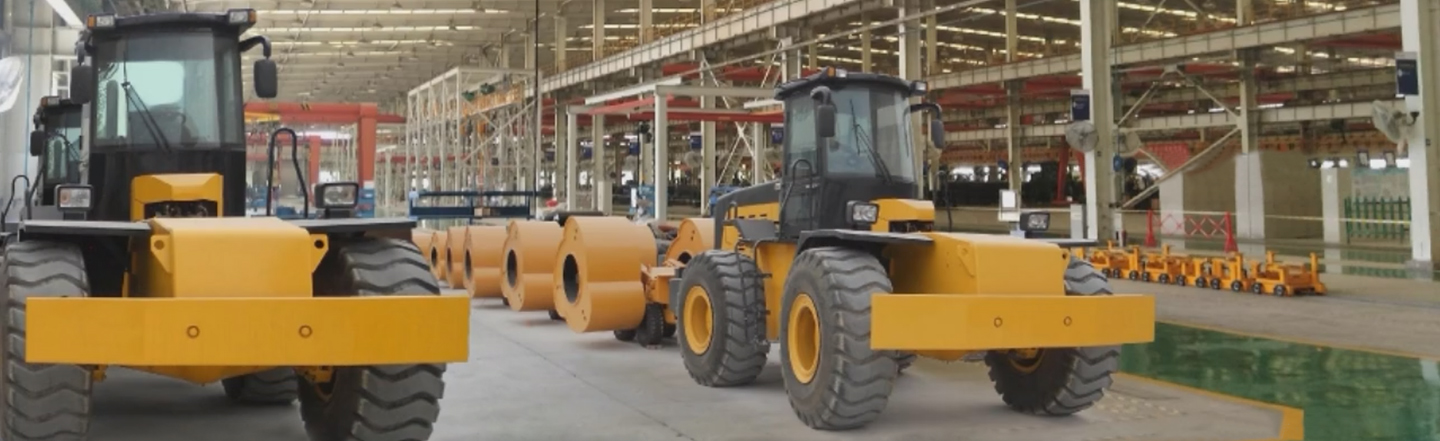
Video centre
Review available CMG equipment footage, then bring your project inputs to the technical discussion.
Visit the CMG video centreResource FAQ
The waste stream, daily operation, site geometry and maintenance support.
No. Duty, layout, support access and configuration need project review.
Maintenance intervals, wear parts, operator information and after-sales support.
CMG uses the RFQ to discuss operating class, configuration, support and delivery requirements.