
Acceptance ownership
Identify the project party, standard or specification that determines when work is accepted.
Compaction verification planning
Compaction verification is more than collecting a machine reading. The project must define inspection points, test locations, records and the responsible acceptance decision before mobilisation.
This guide separates process monitoring from acceptance testing so a buyer can request the correct information and evidence route.
Ask about this topic
Guide contents
Identify the project party, standard or specification that determines when work is accepted.
Set out work zones, inspection locations and test points against the construction sequence.
Equipment monitoring can support traceable work history, but it does not automatically establish ground acceptance.
Compile the specified inspection, test and process records before the next work package starts.
Evidence boundary
CMG uses this resource to organise a project conversation. It does not replace site investigation, geotechnical design, equipment documentation or the project acceptance specification.
Buyer checklist
Decision record
Use the following record as a handover between procurement, site engineering and the equipment supplier. Empty fields are signals to investigate, not assumptions to fill with a generic machine claim.
Related equipment
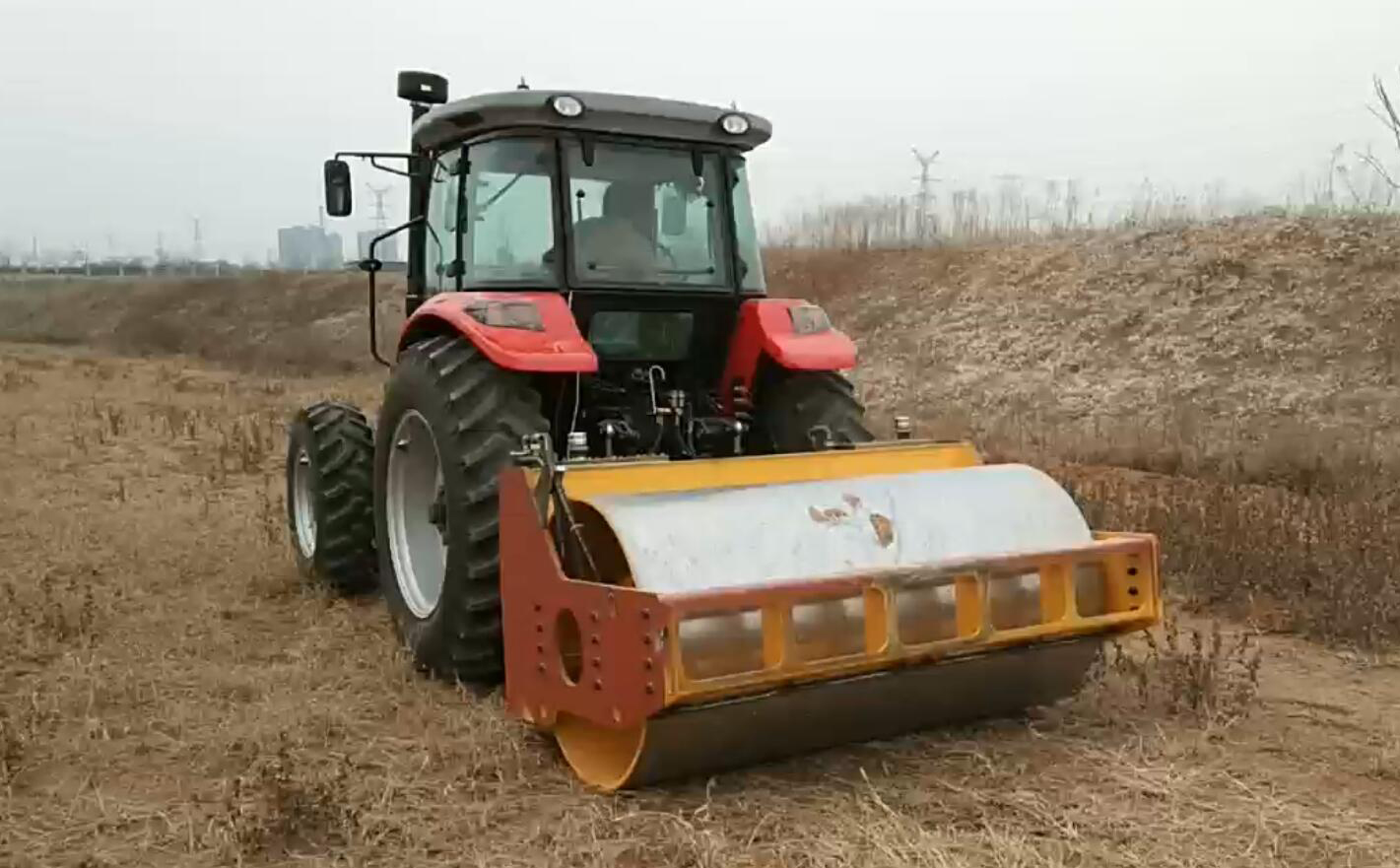
Matched power unit for towing high-energy impact roller configurations.
Explore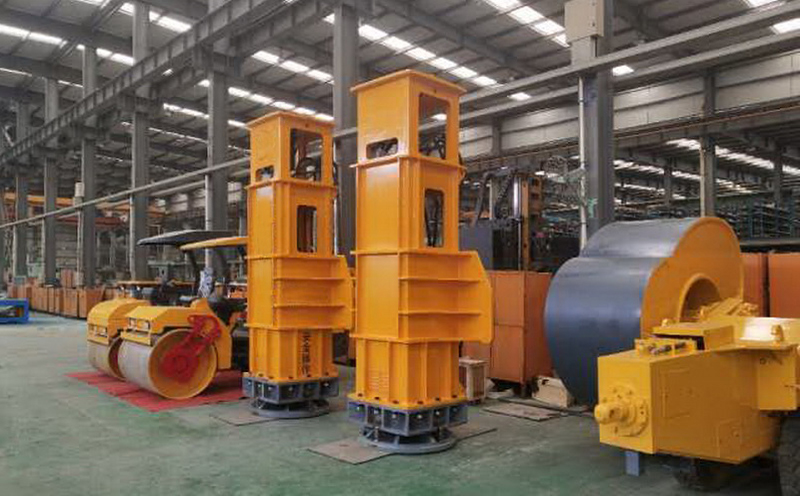
Heavy tow tractor for high-energy impact roller applications and large job sites.
Explore System support for planned impact compaction work and project documentation.
Explore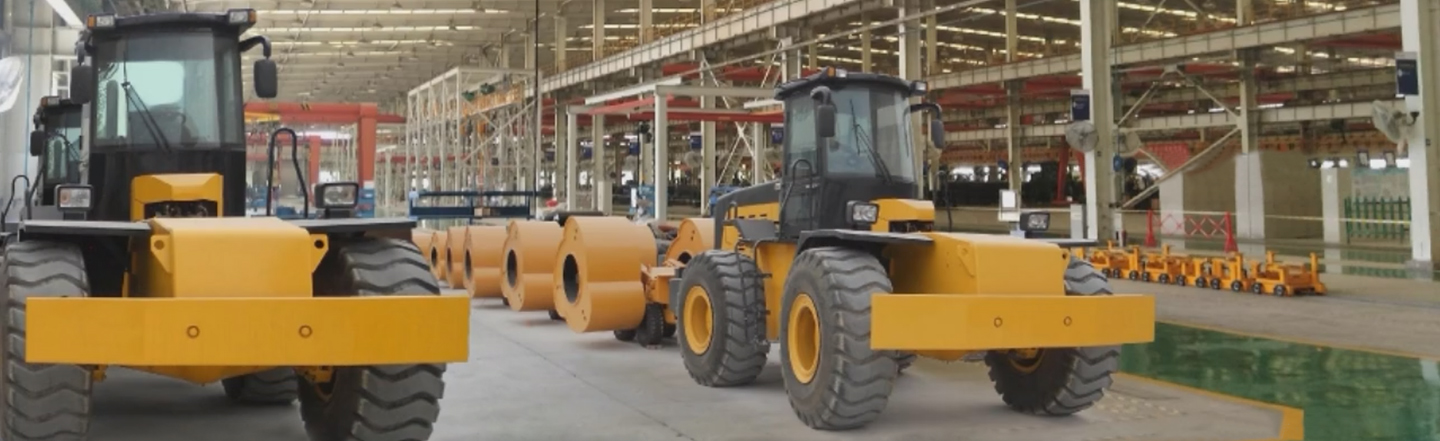
Video centre
Review available CMG equipment footage, then bring your project inputs to the technical discussion.
Visit the CMG video centreResource FAQ
No. Monitoring documents operation; acceptance follows the project specification and responsible authority.
Before mobilisation, so work zones, records and acceptance ownership align with the programme.
Only if the project specification defines that report and method as acceptance evidence.
Include application, work zones, required inspection or testing, records, reporting and equipment already planned.