
Product range
CMG equipment discussions cover impact rollers, hydraulic compaction, vibratory rollers, landfill compactors and support equipment.
Compaction equipment FAQ
Buyers often start with a machine category and later discover that material, access, power unit and acceptance planning are the deciding inputs.
This FAQ collects practical questions CMG uses to turn a general enquiry into a structured equipment discussion.
Ask about this topic
Guide contents
CMG equipment discussions cover impact rollers, hydraulic compaction, vibratory rollers, landfill compactors and support equipment.
Material and moisture, work area, access, turning space, available equipment, programme and acceptance route are the core inputs.
The 32 kJ and 35 kJ impact roller pages publish source-matched technical parameters. Other model pages remain selection-led until matching data is approved.
A structured RFQ should connect product interest, application, ground conditions, project scale and delivery target.
Evidence boundary
CMG uses this resource to organise a project conversation. It does not replace site investigation, geotechnical design, equipment documentation or the project acceptance specification.
Buyer checklist
Decision record
Use the following record as a handover between procurement, site engineering and the equipment supplier. Empty fields are signals to investigate, not assumptions to fill with a generic machine claim.
Related equipment
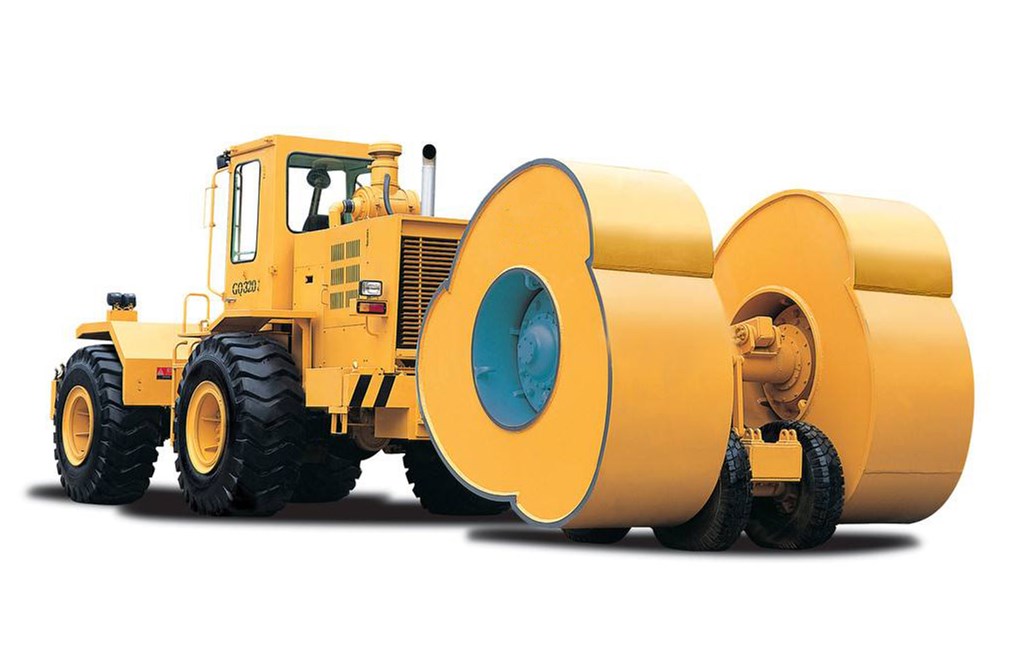
High-energy polygonal roller for demanding subgrade and ground improvement projects.
Explore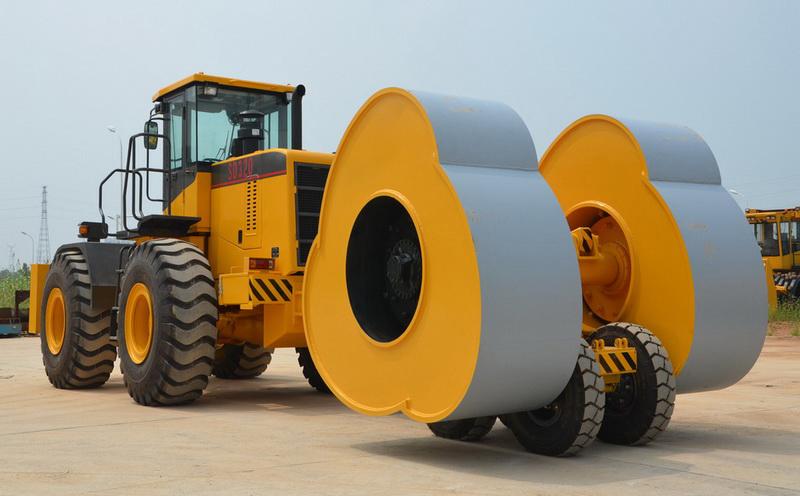
A high-energy impact roller for embankment, subgrade and foundation treatment.
Explore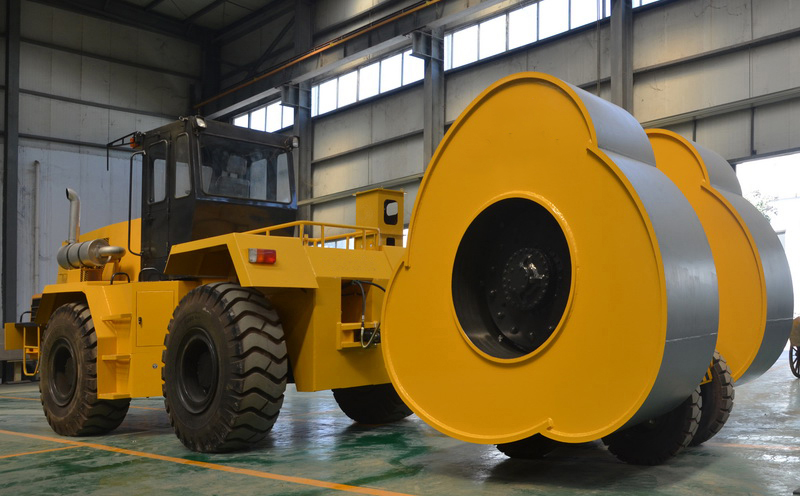
Balanced high-energy compaction for road base, fill and infrastructure construction.
Explore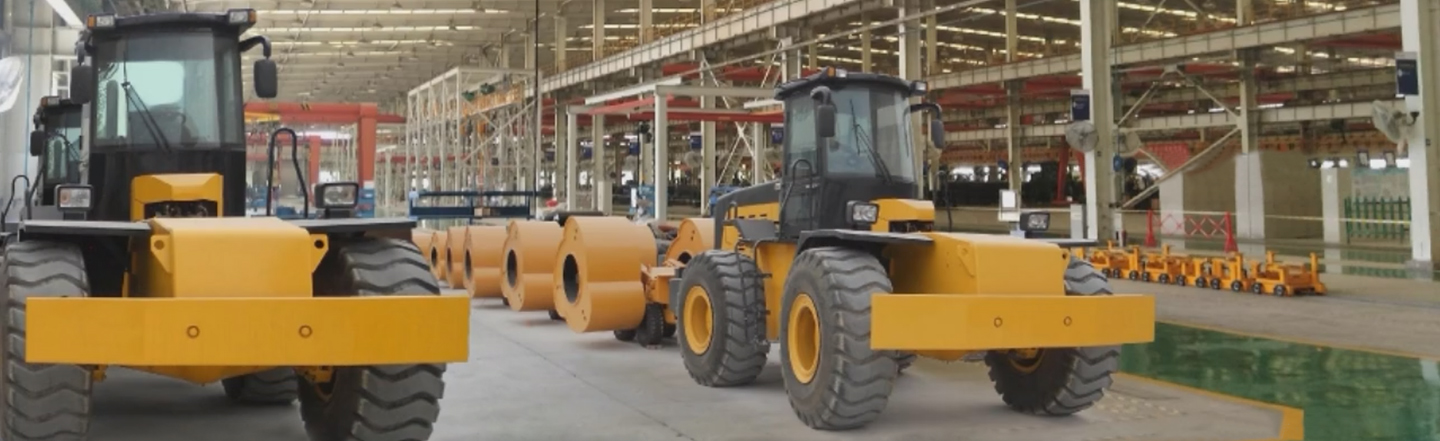
Video centre
Review available CMG equipment footage, then bring your project inputs to the technical discussion.
Visit the CMG video centreResource FAQ
Impact rollers, hydraulic compaction, vibratory rollers, landfill compactors and support equipment.
Application, material, work area, access, available equipment, programme and acceptance route.
The 32 kJ and 35 kJ CMG pages publish source-matched technical parameters.
Start from the application and working system, then compare relevant model documentation and configuration.