Home / Products / Impact Roller Transport and Mobilisation Planning
Project logistics guide
Check the interface before committing the equipment.
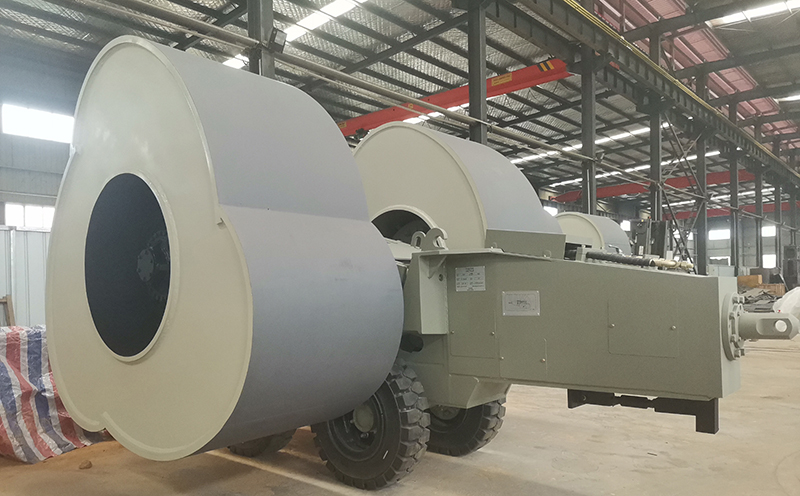
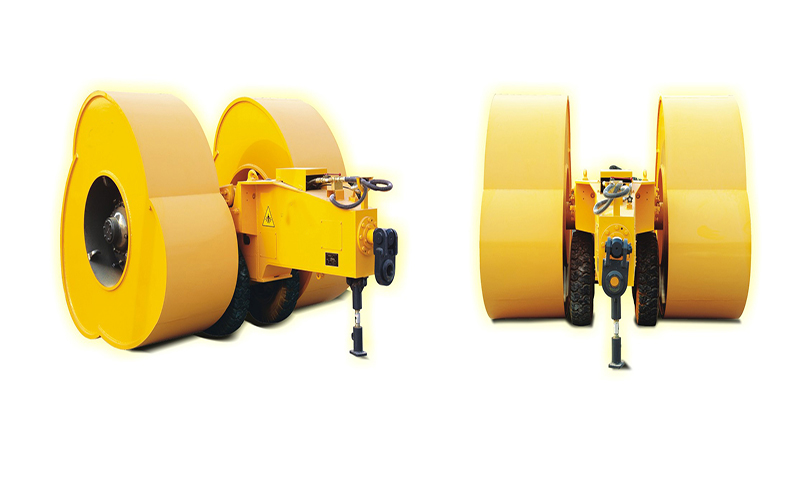
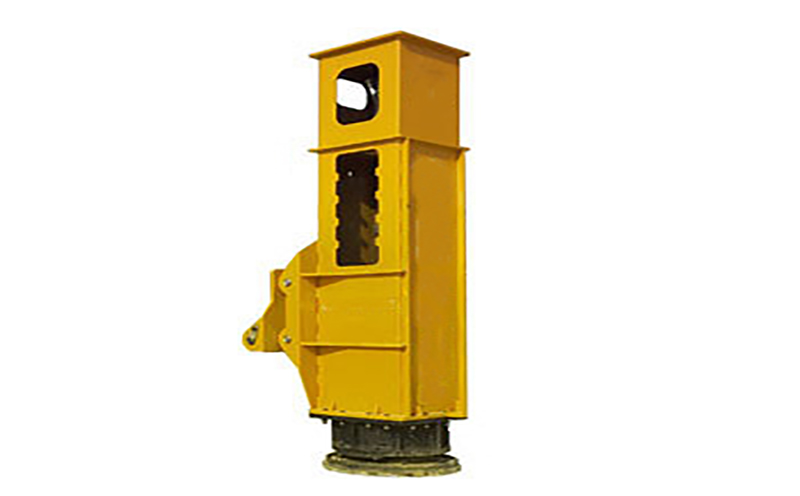
Transport and mobilisation should be planned from the quoted equipment configuration, not from a generic product photograph. Roller geometry, tow equipment, accessories, packing scope, handling points, route restrictions and site assembly responsibilities can affect the delivery plan.
This page helps procurement and project teams prepare a logistics brief. Final dimensions, weights, lifting instructions and shipping requirements must come from the approved model and shipment documentation.
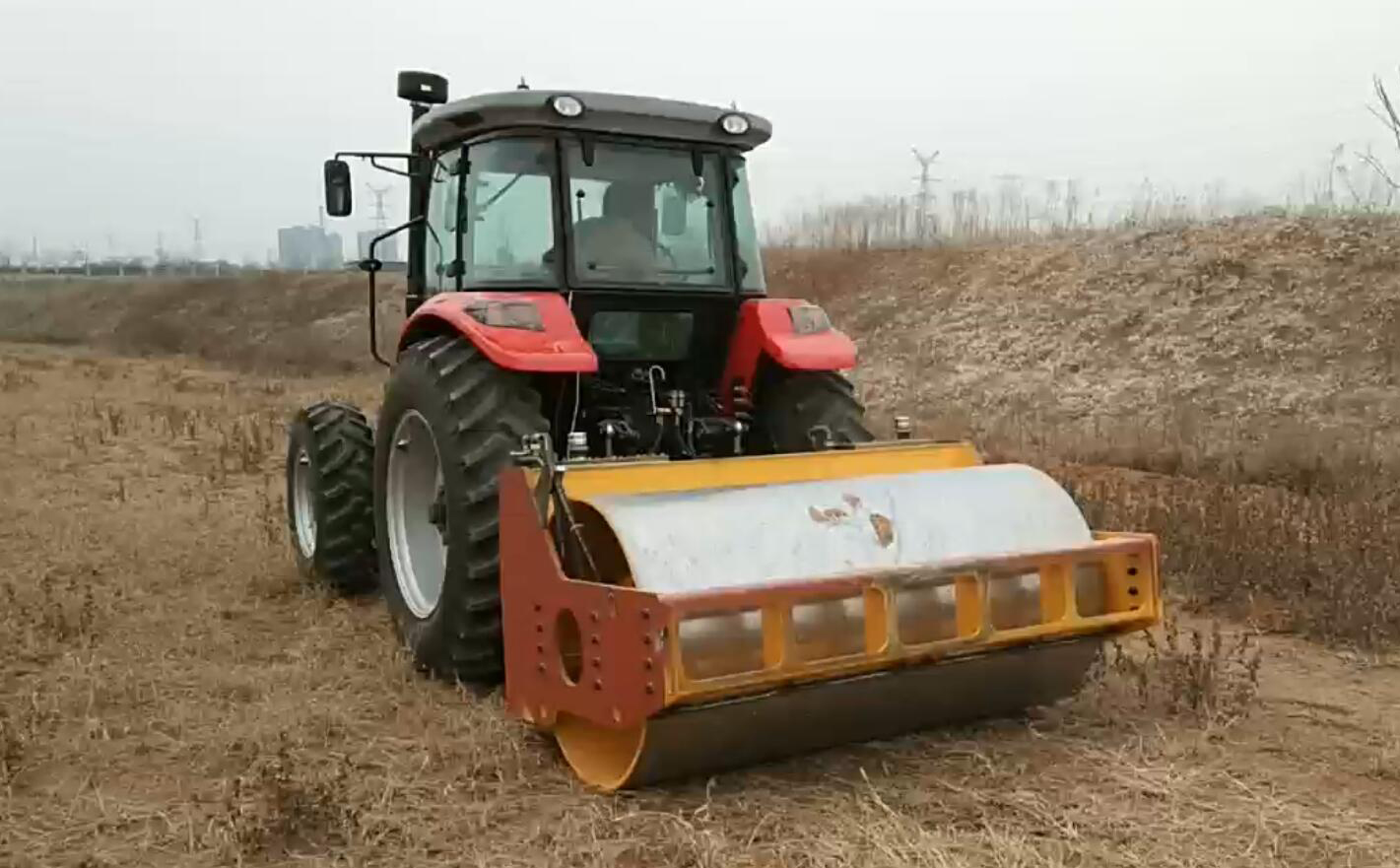
Confirm whether the shipment includes roller-only equipment, a tractor, damping components, monitoring, tools, spare parts and loose accessories. The packing list and delivery documents should use the same configuration language as the purchase order.
02
Check route and receiving constraints
Review port or border handling, road permits, bridge and width restrictions, site entrance, unloading area, ground condition and storage. Do not rely on website dimensions where the approved transport drawing is required.
03
Plan handling and assembly
Identify who supplies unloading equipment, lifting accessories, assembly labour, fluids, tools and supervision. Use only approved handling information and maintain an exclusion area during unloading and assembly.
04
Mobilisation handover
Before operation, reconcile delivered items with the packing list, inspect visible condition, complete the applicable equipment checks and confirm that operating and maintenance information is available to the responsible team. Site method and acceptance controls remain project responsibilities.
Decision record
Document the reasoning before equipment approval.
A review of impact roller transport and mobilisation should identify the source of each project input, the party responsible for confirming it and the point in the programme when it becomes fixed. Material descriptions, equipment interfaces, access assumptions and requested documents should not be silently converted into supplier guarantees. Record open items so procurement can distinguish a preliminary discussion from an approved configuration.
Use the checklist on this page as a handover between the site, engineering, logistics and purchasing teams. When an input changes, return the change to the relevant decision owner and assess its effect on configuration, operating controls, delivery scope and verification. This creates a traceable route from the original search question to a quotation that can be compared and reviewed.
Before order placement, reconcile the proposed equipment, accessories, exclusions, documents and delivery responsibilities in one schedule. After delivery, use the approved supplied documents for inspection and operation. The website supports selection and communication, but it does not replace the contract, operating manual, site method statement or project acceptance specification for Impact Roller Transport and Mobilisation Planning.
Compatibility boundaries
Documented interfaces prevent avoidable site risk.
Do not publish or use estimated transport weights as final.
Do not infer lifting points from photographs.
Do not omit loose components from the packing review.
Do not start operation before configuration and documents are checked.
Information to provide
Exact quoted equipment and accessory scope
Approved transport dimensions and weights
Destination route, permits and receiving constraints
Unloading and handling equipment
Assembly, inspection and document responsibilities