Home / Products / Impact Roller Tow Tractor Compatibility Guide
Complete-set compatibility
Check the interface before committing the equipment.
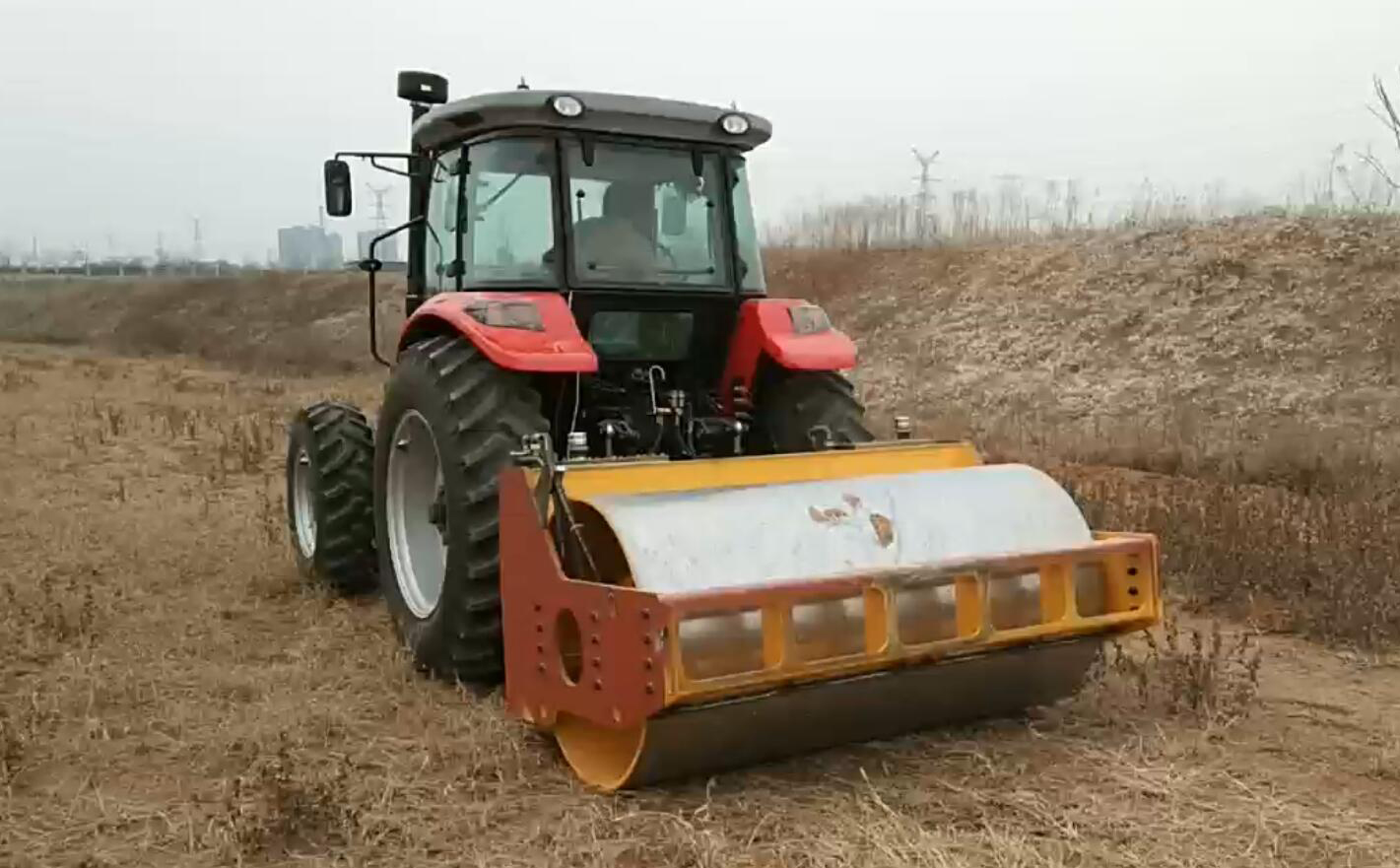
An impact roller and tow tractor operate as one working system. Horsepower is visible and easy to compare, but it is not the only compatibility criterion. Connection arrangement, damping, traction, tyres, operating speed, site gradients, turning space, transport and model documentation also matter.
CMG reviews the proposed roller and tractor together. Existing site tractors should not be assumed compatible until their configuration and the intended work conditions have been supplied.
Available power must be considered with roller configuration, terrain, operating route and traction. A nominal engine rating does not by itself confirm safe towing performance, connection suitability or compliance with the equipment documentation.
02
Connection and damping system
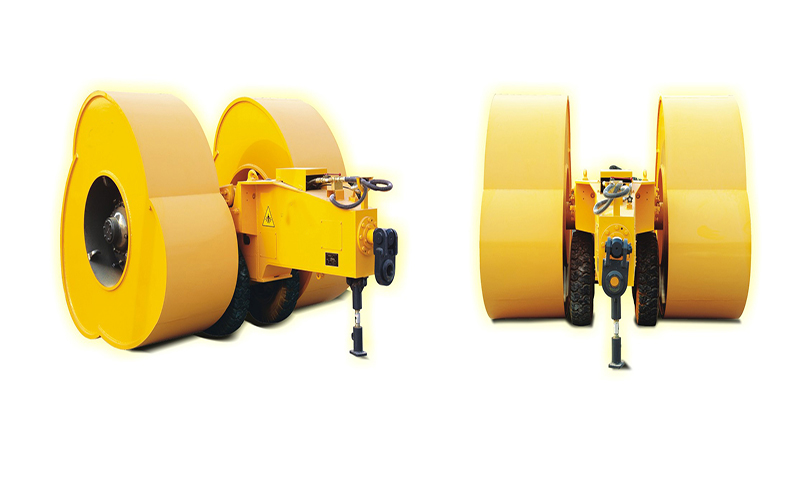
The hitch, hydraulic or mechanical interfaces, damping elements and load path should match the proposed complete set. Substituting a generic connection can change operating behaviour and should not be treated as a minor procurement detail.
03
Tyres, traction and route
Ground condition, tyre selection, slopes, soft zones and turning areas influence practical operation. The available CMG guidance identifies controlled operating speed and avoidance of sharp or high-speed turns, muddy surfaces, unstable ground and pits.
04
Quotation and document alignment
A complete-set quotation should identify the roller, tractor, connection, damping, monitoring, accessories and applicable documents. If the buyer supplies the tractor, the offer should clearly state what compatibility information remains to be confirmed.
Decision record
Document the reasoning before equipment approval.
A review of impact roller tow tractor compatibility should identify the source of each project input, the party responsible for confirming it and the point in the programme when it becomes fixed. Material descriptions, equipment interfaces, access assumptions and requested documents should not be silently converted into supplier guarantees. Record open items so procurement can distinguish a preliminary discussion from an approved configuration.
Use the checklist on this page as a handover between the site, engineering, logistics and purchasing teams. When an input changes, return the change to the relevant decision owner and assess its effect on configuration, operating controls, delivery scope and verification. This creates a traceable route from the original search question to a quotation that can be compared and reviewed.
Before order placement, reconcile the proposed equipment, accessories, exclusions, documents and delivery responsibilities in one schedule. After delivery, use the approved supplied documents for inspection and operation. The website supports selection and communication, but it does not replace the contract, operating manual, site method statement or project acceptance specification for Impact Roller Tow Tractor Compatibility Guide.
Compatibility boundaries
Documented interfaces prevent avoidable site risk.
Horsepower alone does not confirm compatibility.
Do not substitute the hitch or damping arrangement without review.
Do not ignore route, gradient, traction and turning space.
Do not operate from website guidance alone.
Information to provide
Impact roller model and configuration
Tractor manufacturer, model, power and operating details
Hitch, damping and connection information
Tyres, ground condition, gradient and route
Required speed and work-zone controls
Requested complete-set drawings and operating documents