Engineering applications

Backfill & Weak Ground

engineered backfill and variable ground

Plan compaction around the work package, not a generic machine claim.

Backfill and weak-ground work requires clear control of fill source, placement sequence, moisture, access and the following construction activity.

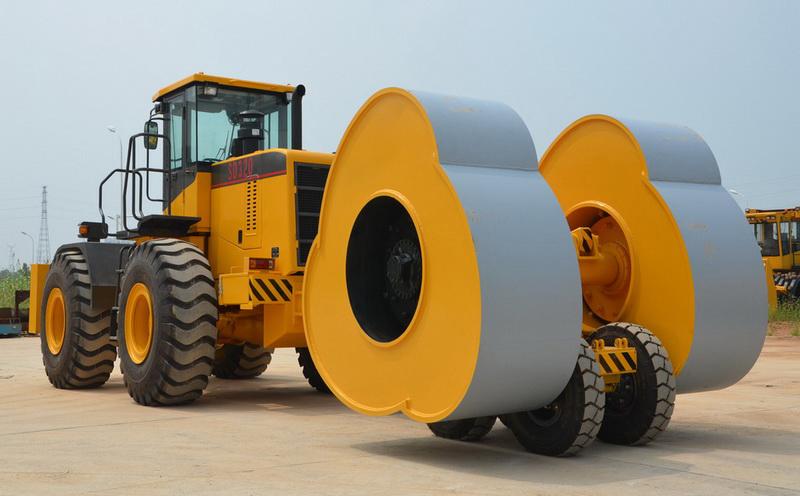
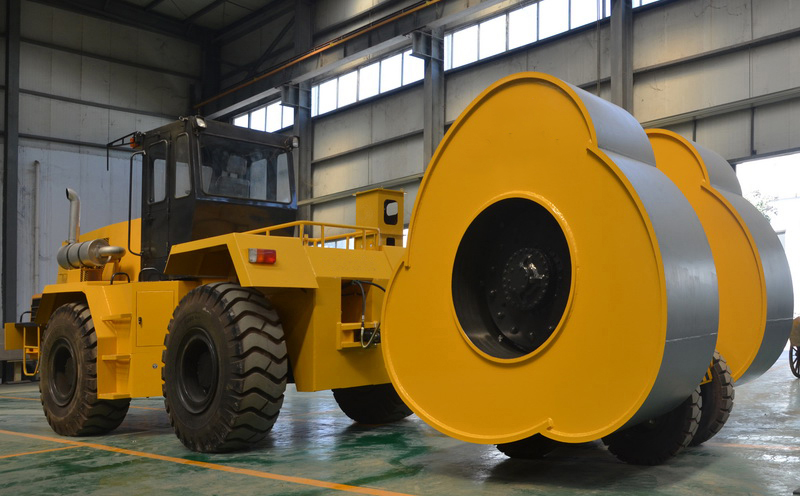
CMG can discuss impact or hydraulic compaction routes when the project team defines the treatment objective and acceptance method for each work zone.

Start an application RFQ
CMG equipment for backfill & weak ground

Project conditions

Define the site inputs before choosing the equipment route.

Conditions to document

  • Backfill can vary by source, placement lift, compaction history and moisture.
  • Weak or variable ground may require staged review, trial work or specialist geotechnical input.
  • Acceptance cannot be inferred from machine activity alone.
Where the route may fit

  • Engineered-fill packages with material records and defined work zones.
  • Projects where backfill sequence and access can be coordinated with the following works.
  • Sites needing a controlled route from variable ground to a stable working platform.
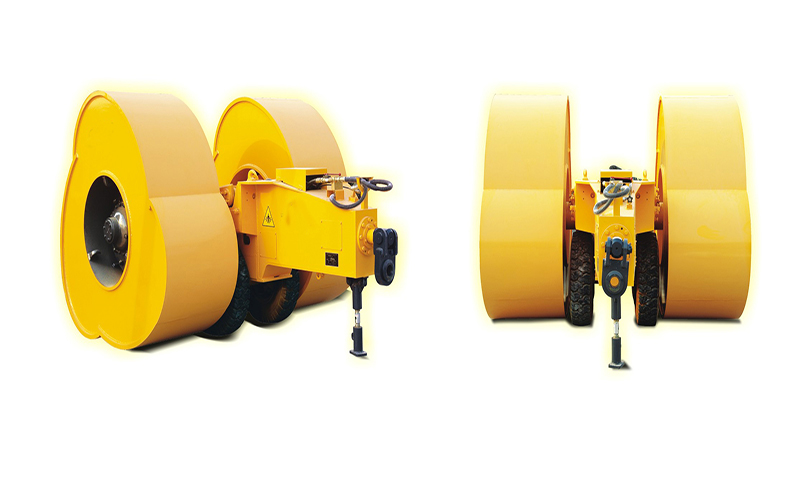
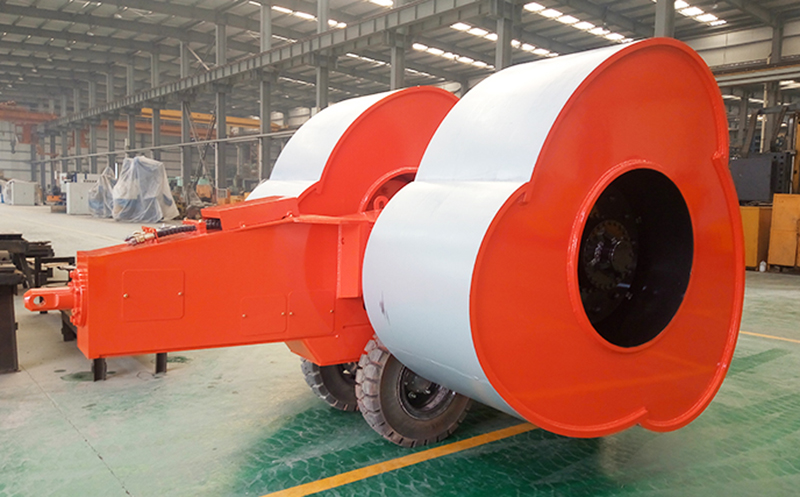
CMG impact roller for backfill & weak ground

Equipment connection

Connect the application to a complete working system.

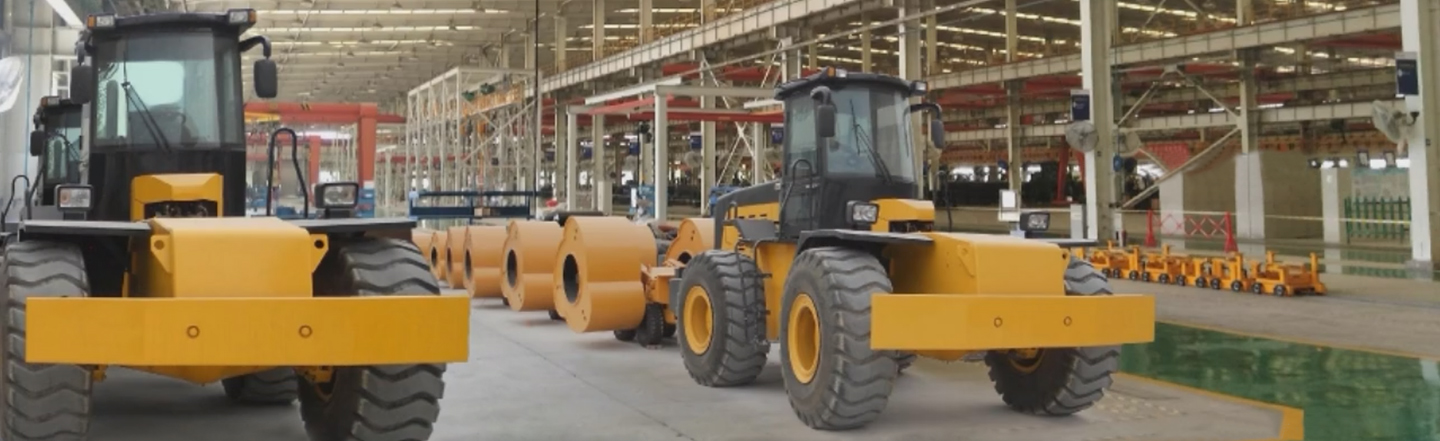
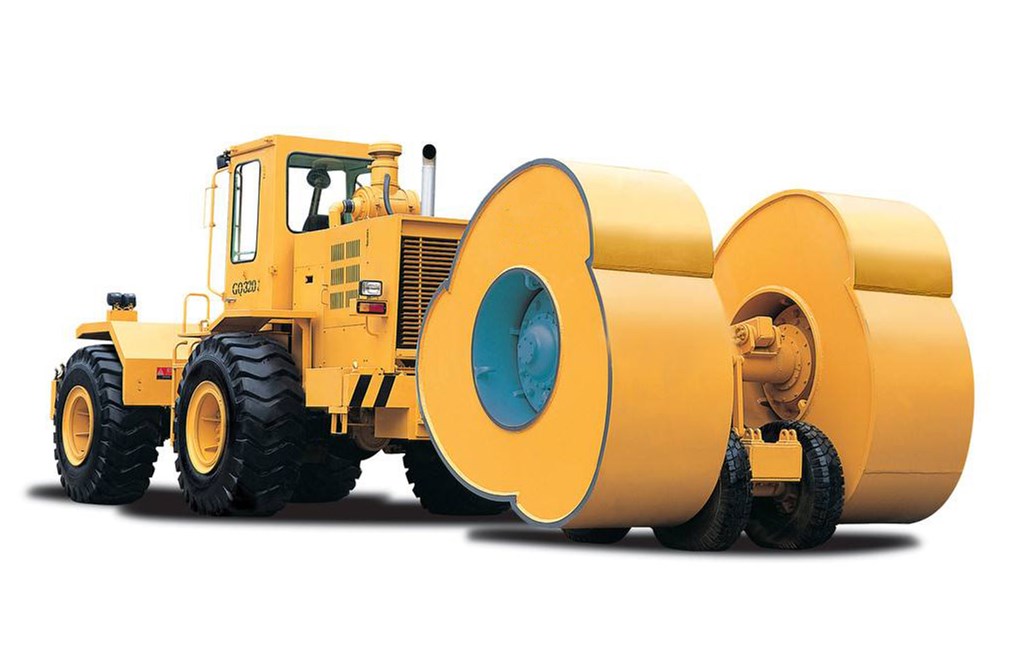
Impact roller selection, tow equipment, access, work controls and verification should be reviewed together. The relevant CMG equipment pages provide the starting point for a project discussion.

Review impact roller systems

Application workflow

Move from site brief to controlled handover.

  1. 1. Define the work package

    Record the engineered backfill and variable ground scope, material, available area, access and the next construction activity.

  2. 2. Review the ground and method

    For engineered backfill and variable ground, compare material response, working space and the project objective with the available CMG equipment route.

  3. 3. Set the work controls

    Agree engineered backfill and variable ground work zones, equipment movements, exclusion arrangements, inspection points and documentation ownership.

  4. 4. Operate and record

    Follow the approved engineered backfill and variable ground work plan and record meaningful changes in ground, access, equipment or programme conditions.

  5. 5. Verify before handover

    Apply the project-specified inspection or testing route before releasing the engineered backfill and variable ground work package to the next construction stage.

Engineering brief

Package the information a supplier can actually act on.

A useful application enquiry connects the ground or material record to the work package, equipment interface and acceptance route. This keeps the first quotation comparable and reduces clarification cycles.

Site and material record

  • Backfill can vary by source, placement lift, compaction history and moisture.
  • Weak or variable ground may require staged review, trial work or specialist geotechnical input.
  • Acceptance cannot be inferred from machine activity alone.
Procurement handover

  • Application area, section identifiers and planned sequence
  • Access, clearance, traffic and exclusion constraints
  • Available carrier, tow tractor or support equipment
  • Requested model documents, delivery location and timing

Controls and boundaries

Use project controls to protect the work sequence.

  • Keep material source and placement records linked to work zones.
  • Stop and review when moisture, fill type or stability changes.
  • Use project-defined inspection or testing before releasing each stage.

CMG provides equipment and configuration discussion. Site safety, geotechnical design and final acceptance remain with the responsible project team.

Relevant CMG equipment

Explore equipment for the application discussion.

CMG compaction equipment video centre

Video centre

Review equipment media before the RFQ.

Available CMG video material helps explain equipment form and working context. It is not a substitute for project-specific selection or acceptance evidence.

Visit the CMG video centre

Application FAQ

Questions to resolve before mobilisation.

What should a backfill RFQ include?

Include fill source, placement history, moisture, work area, access, equipment available and acceptance route.

Can all weak ground be treated with one method?

No. Ground history, moisture and project requirements need specific review.

How is backfill accepted?

The project earthworks specification and authorised inspection or testing process determine acceptance.

When should the work plan be reviewed?

Whenever fill source, moisture, stability or access conditions change.

Project RFQ

Tell us what the ground needs.

Share the project conditions and the CMG team can discuss a suitable equipment route.